Venezuela: Regime and Opposition Hold Talks Amid US Mediation
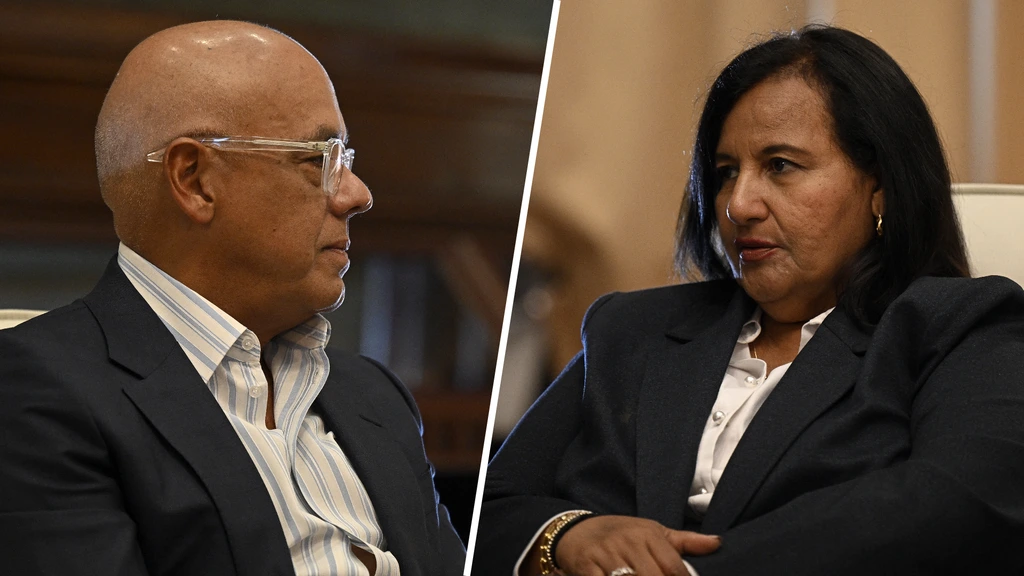
Negotiations between Venezuela's government and the opposition are set to take place in Caracas, marking the first such talks since the alleged abduction of former leader Maduro. These discussions were initiated by the United States as part of a three-step plan presented by Secretary of State Rubio in January, focusing on stabilization, economic recovery, and democratic transition. However, progress has been limited, with the regime maintaining firm control, elections postponed, and no promised power shift occurring. The country has also faced devastating earthquakes, compounding its crises.
Key opposition figures like Nobel laureate María Corina Machado and Edmundo González, whom many consider the winner of the 2024 presidential election, were not invited to these talks. Machado and González stated they were not involved in the planning or execution of the negotiations and plan to return to Venezuela soon; Machado is reportedly in exile in the US, and González in Spain.
The US is leading the negotiations, though the specific American representatives are unclear following the unexpected resignation of informal advisor Mauricio Claver-Carone. The Venezuelan regime's delegation is headed by National Assembly President Jorge Rodríguez, who aims to have remaining US sanctions lifted. The opposition delegation is led by Dinorah Figuera, who returned after eight years in exile and leads the former, now largely symbolic, parliament. She plans to advocate for the renewal of the national electoral council and supreme court, and the release of political prisoners, with 379 individuals still detained according to Foro Penal. The legal case against Nicolás Maduro and his wife, Cilia Flores, who are facing charges including narcoterrorism conspiracy and drug importation, is scheduled to begin in June of next year and does not appear to be part of the current negotiations.
These negotiations represent a critical juncture for Venezuela, driven by external mediation and internal pressures. The US-led initiative signals a strategic attempt to de-escalate political tensions and potentially foster stability, though the exclusion of prominent opposition figures like María Corina Machado raises questions about the inclusivity and ultimate effectiveness of the process. The regime's objective to lift sanctions highlights the economic leverage at play, while the opposition's focus on electoral reform and political prisoner releases underscores the long-standing demands for democratic governance. The success of these talks will likely depend on the ability to bridge significant trust deficits and address systemic governance issues, rather than solely focusing on immediate concessions. Future Venezuelan political dynamics will be shaped by how these foundational issues of representation and fair electoral processes are resolved, particularly in the context of evolving regional and international geopolitical landscapes.
AI-generated to prompt reflection — not editorial opinion, not advice, not a statement of fact. How this works.