Venezuela: Rise in Political Detentions, Forced Disappearances, and Prisoner Vulnerability
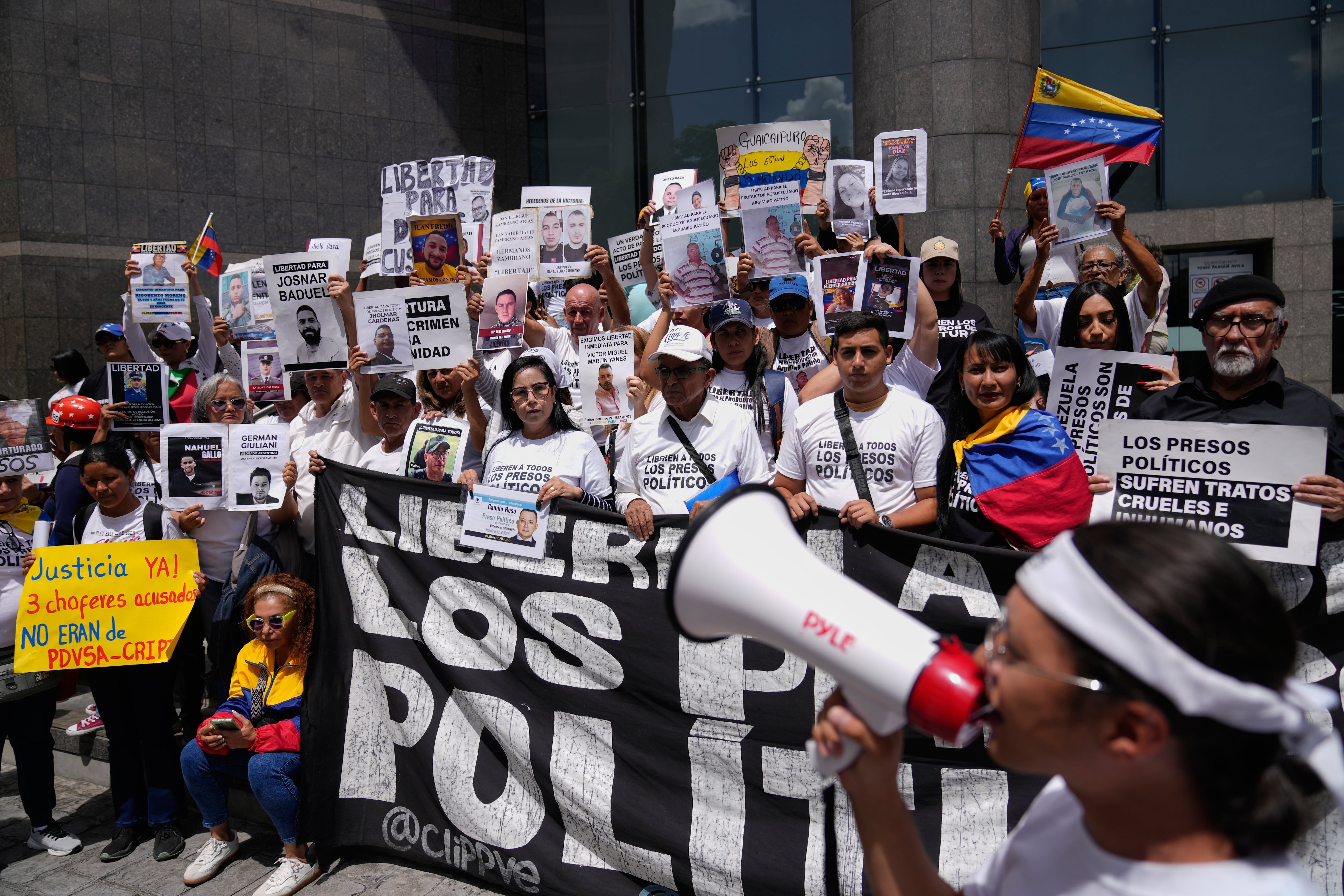
Human rights organizations in Venezuela, including Foro Penal and Provea, have documented hundreds of cases since 2014 where detainees are held for days or weeks without contact with legal counsel, family, or judges. This pattern often involves nighttime raids, transfers to intelligence centers like El Helicoide or Boleíta, prolonged isolation, and subsequent court appearances without due process. Provea reported a 196% increase in forced disappearance cases in 2025 compared to the previous year, with 160 individuals becoming victims, a significant rise from the 54 disappearances recorded in 2024. In 2025, Venezuela experienced a severe institutional decline, with a 102% increase in political detentions compared to the average over the past 17 years.
The NGO Justicia, Encuentro y Perdón (JEP) has identified 518 political prisoners, exceeding Foro Penal's count of 372. Following earthquakes on June 24th, JEP has raised concerns about the vulnerability of these prisoners, who are psychologically distressed by family losses, suffering from deteriorating nutrition, fearful due to the neglected state of prison facilities, and isolated without safe evacuation protocols for emergencies. Despite over 670 political prisoner releases since January 8th, partly due to an amnesty law enacted on January 18th, the issue of arbitrary detention and the denial of a detainee's whereabouts, which constitutes forced disappearance under the Rome Statute, persists. Victims include political opponents, dissident military personnel, journalists, and trade unionists, often used as bargaining chips to instill fear, disrupt support networks, and prevent public scrutiny.
Human rights advocates are urging the United States to leverage its influence gained through negotiations and partial sanctions relief with Caracas to demand concrete actions against human rights violations. Members of the Alliance for the Freedom of Political Prisoners have been protesting outside the U.S. embassy in Caracas for over a month, seeking the reopening of cases and a hearing. They emphasize that economic aid, cooperation, or diplomatic normalization should be contingent on verifiable progress, including the release of political prisoners, unrestricted access for the International Committee of the Red Cross to detention centers, and judicial proceedings against those responsible for torture and disappearances. Multilateral pressure through the OAS and UN is also deemed necessary to broaden the scope beyond bilateral discussions, ensuring that any political advancements do not overlook victims' rights and perpetuate impunity.
The documented increase in political detentions and forced disappearances in Venezuela highlights systemic governance challenges and the use of state apparatus for political control. The pattern of isolation and denial of due process suggests a deliberate strategy to suppress dissent and instill fear, impacting societal stability and individual liberties. The vulnerability of prisoners, exacerbated by natural disasters and deteriorating infrastructure, raises critical humanitarian concerns and questions about state capacity and responsibility. International engagement, particularly from influential actors like the United States, presents an opportunity to advocate for verifiable human rights improvements, but the effectiveness of such leverage hinges on sustained, condition-based diplomatic and economic pressure. Future Venezuelan governance will likely grapple with balancing security imperatives against fundamental rights, with the long-term societal cost of repression potentially hindering national reconciliation and development.
AI-generated to prompt reflection — not editorial opinion, not advice, not a statement of fact. How this works.