Venezuela's Devastating Earthquakes: A Confluence of Natural Forces and Systemic Failures
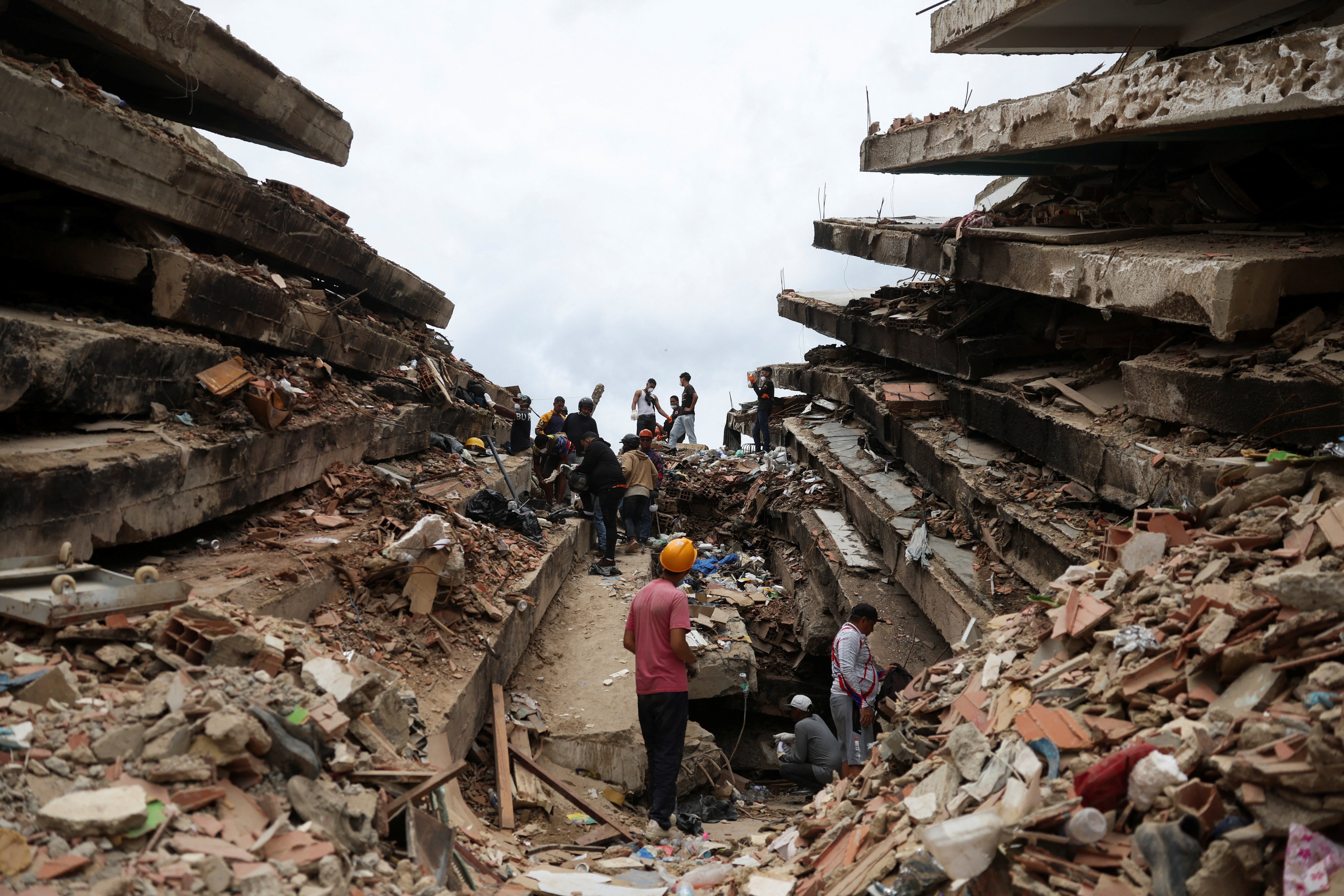
Two powerful earthquakes struck Venezuela on June 24, resulting in a devastating loss of life and widespread destruction. As of Saturday, July 4, the government reported nearly 3,000 fatalities and over 16,000 injuries. The tremors also displaced more than 15,000 families, with the UN estimating that up to 6.7 million people may have been affected. Significant damage was inflicted upon critical infrastructure, including hospitals, schools, and residential and commercial buildings; 189 structures collapsed entirely, and 885 others sustained damage. Preliminary assessments from the UN Development Programme (UNDP) estimate economic losses at approximately R$34.6 billion, excluding reconstruction costs. Rescue efforts are ongoing, involving Venezuelan teams and international aid, with over 30,000 workers participating in the operations.
Several factors contributed to the severity of the disaster. The earthquakes occurred as a "double earthquake" event, with two main tremors of magnitudes 7.2 and 7.5 occurring less than a minute apart, originating from different geological faults but releasing comparable energy. Both tremors struck at shallow depths, intensifying their impact on the surface. Compounding these natural forces were issues related to construction quality and the nation's ongoing economic crisis. Experts point to vulnerable building designs, particularly in housing projects developed under limited oversight and transparency during the "Chavista" era, which may have exacerbated damage. Years of neglect and non-compliance with building codes, coupled with the economic crisis limiting technical capacity for maintenance, are cited as contributing factors. The complex Urbanismo Hugo Chávez in Catia La Mar, a housing project initiated under Hugo Chávez and expanded by Nicolás Maduro, was severely affected.
The earthquakes struck a nation already grappling with a prolonged economic, social, and infrastructural crisis. In the immediate aftermath, residents faced difficulties locating missing relatives and reported a lack of emergency responders, with many initiating rescue efforts independently. Pre-existing issues within the state's response capacity, including shortages of hospital equipment, medicine, and personnel, were further strained. Deteriorating infrastructure, marked by frequent blackouts and water supply interruptions, hampered emergency services and rescue coordination. Consequently, international aid, including search and rescue teams, specialized equipment, and medical supplies, became crucial in supporting the relief efforts.
The catastrophic impact of the Venezuelan earthquakes highlights the critical interplay between natural hazards and societal resilience, particularly in the context of prolonged economic and governance challenges. While the seismic event itself was significant, the scale of destruction and loss of life appears amplified by systemic factors, including potentially compromised construction standards in government-led housing initiatives and the state's diminished capacity to respond effectively to large-scale disasters. The nation's pre-existing economic crisis likely constrained resources for infrastructure maintenance, emergency preparedness, and immediate relief, underscoring a vulnerability that transcends the immediate event. Future disaster preparedness strategies in seismically active regions facing economic constraints must prioritize robust, transparent building codes, independent oversight, and the strengthening of public infrastructure and emergency response mechanisms to mitigate the compounding effects of natural events and socio-economic instability.
AI-generated to prompt reflection — not editorial opinion, not advice, not a statement of fact. How this works.