Venezuela's Healthcare System Strained by Post-Earthquake Medical Crisis
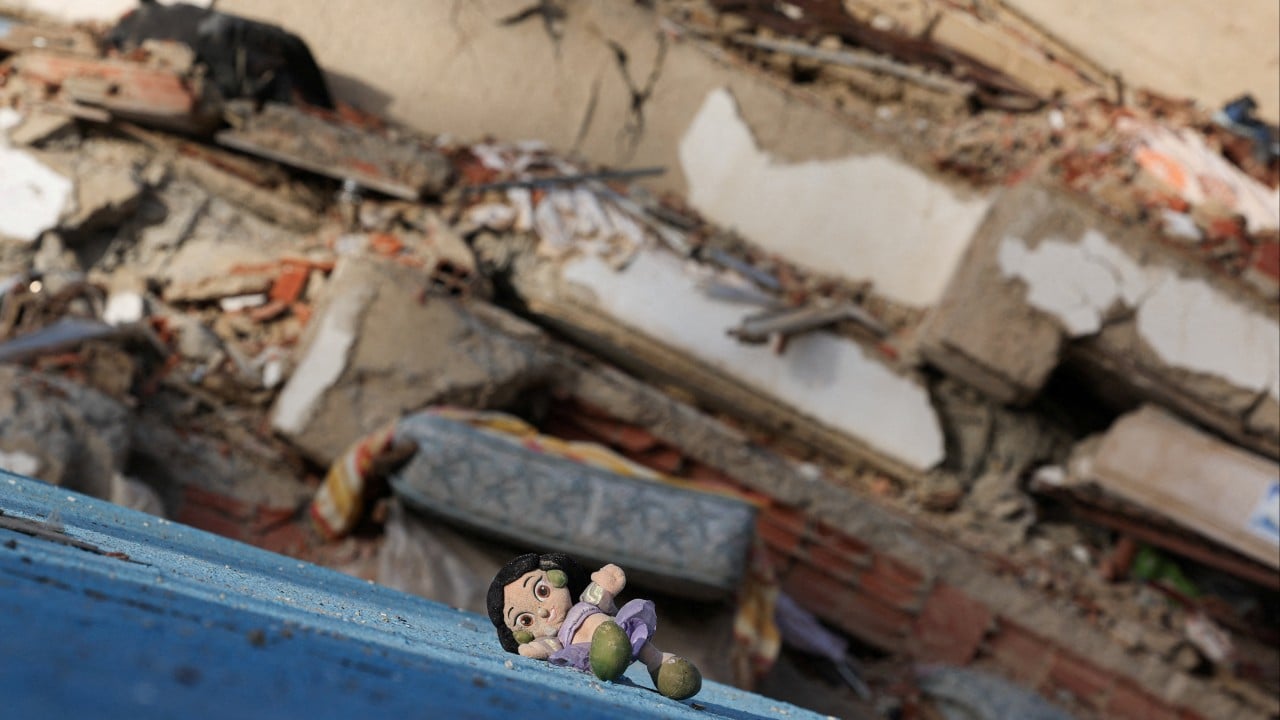
Doctors in Venezuela have expressed grave concerns about a potential medical crisis following the devastating twin earthquakes on June 24. The earthquakes, which officials report killed at least 2,295 people and injured over 11,000, have severely impacted the nation's already fragile healthcare system. Thousands of displaced Venezuelans are currently housed in overcrowded shelters or are sleeping outdoors, facing dire sanitary conditions and a lack of access to clean water. This situation significantly increases the risk of untreated injuries escalating and the spread of infectious diseases. Aid workers are highlighting the urgent need for medical assistance and improved living conditions to prevent a further deterioration of public health in the affected regions.
The Venezuelan earthquakes highlight the critical vulnerability of infrastructure and public services in nations with pre-existing systemic weaknesses. The immediate aftermath reveals how natural disasters can exacerbate existing challenges, particularly in healthcare delivery and sanitation, leading to secondary crises like disease outbreaks. This situation underscores the importance of robust disaster preparedness, resilient infrastructure, and adequate funding for public health systems, especially in regions facing economic instability. Future resilience planning must consider the compounding effects of climate change and potential natural disasters on populations already struggling with resource scarcity and governance challenges.
AI-generated to prompt reflection — not editorial opinion, not advice, not a statement of fact. How this works.