Venezuela's twin earthquakes offer a seismic warning for California's San Andreas Fault
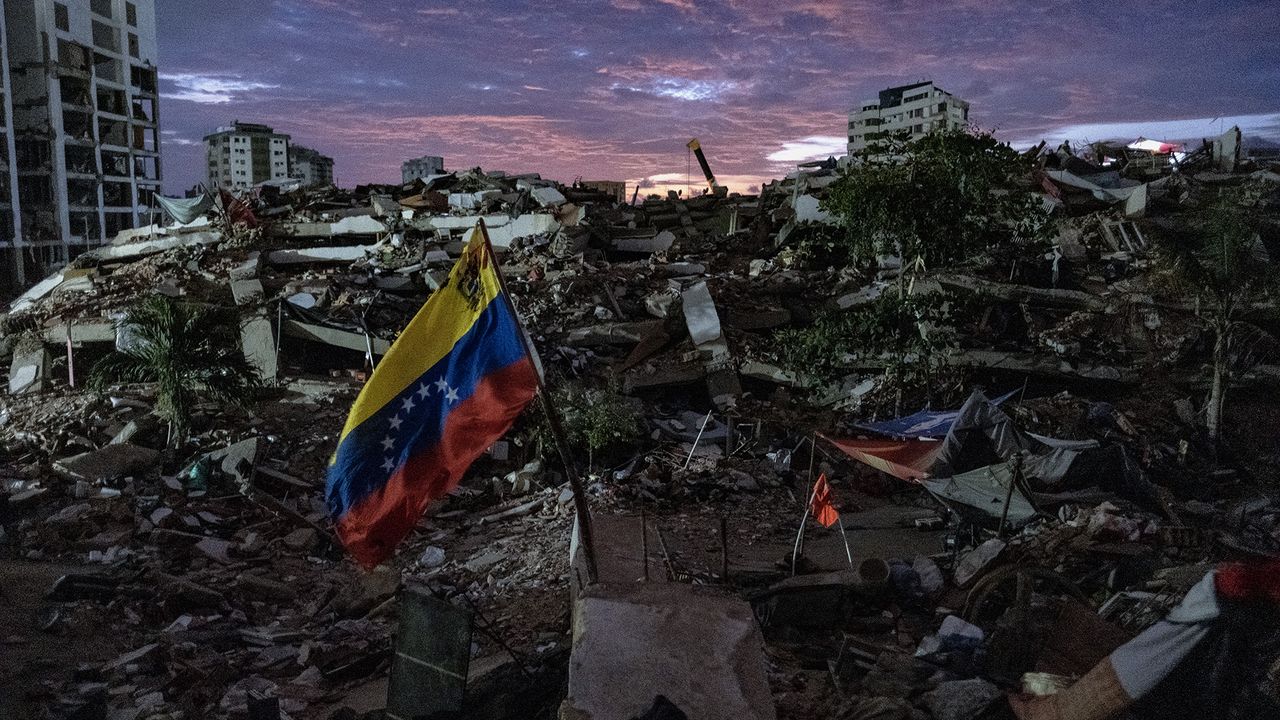
A recent "earthquake doublet" in Venezuela serves as a critical warning regarding the destructive potential of multi-fault seismic systems. This event highlights that such systems might be more hazardous than current seismic models typically predict. The phenomenon involves two large earthquakes occurring in close succession, often on adjacent or interconnected fault lines. This contrasts with the more common scenario of a single, large earthquake originating from one fault. The Venezuelan doublet underscores the need for updated seismic hazard assessments that account for the complex interactions between multiple faults. Such an understanding is particularly relevant for regions like California, which is home to the infamous San Andreas Fault. The San Andreas Fault system is a complex network of faults, and understanding how they might interact during a seismic event is crucial for disaster preparedness. This event prompts a re-evaluation of how seismic risks are calculated and communicated, especially in areas with complex geological structures.
The Venezuelan earthquake doublet underscores the limitations of current seismic modeling, which may underestimate risks associated with complex, multi-fault systems. This event prompts a critical review of preparedness strategies for regions like California, which feature intricate fault networks. Future seismic hazard assessments should integrate advanced computational methods to better simulate the cascading effects of sequential ruptures across interconnected faults. This approach is vital for enhancing the resilience of infrastructure and communities against the full spectrum of potential seismic threats in the coming decade.
AI-generated to prompt reflection — not editorial opinion, not advice, not a statement of fact. How this works.