Venezuela to Launch Joint Plan for 'Strengthening Democracy'
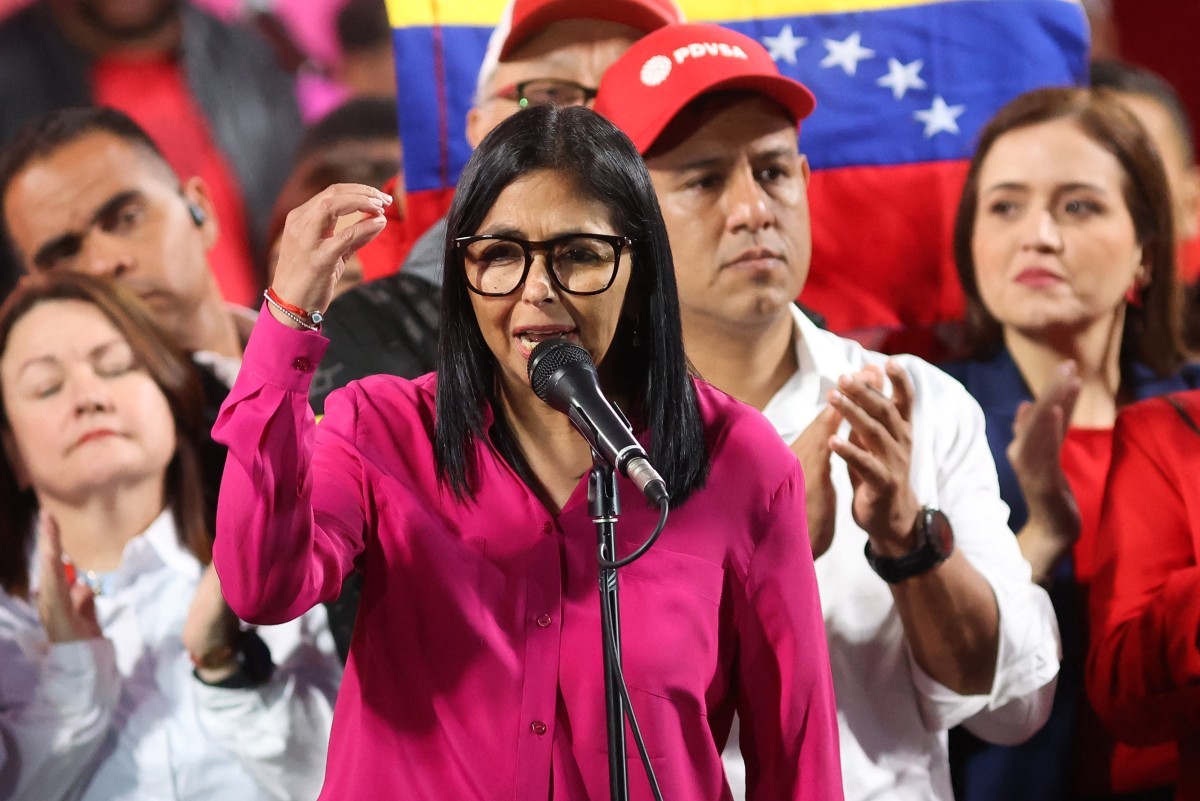
Venezuela's interim government, led by Delcy Rodríguez, and a group of opposition figures will commence a joint work plan in August aimed at "strengthening democracy" in the country. The announcement was made by Parliament President Jorge Rodríguez, who is also the interim president's brother. This initiative follows a period of political activity and comes after devastating earthquakes struck Venezuela on June 24, 2026. Shortly before the earthquakes, opposition leader Dinorah Figuera visited Caracas with support from Washington to advance a democratic transition agenda following the removal of Nicolás Maduro. Figuera met with Jorge Rodríguez and other opposition leaders before traveling to the United States for further discussions. Jorge Rodríguez stated in a Telegram message that the joint plan with former members of the 2015-2020 National Assembly will begin on August 1st, emphasizing unity for reconstruction and peace. Dinorah Figuera, on the social media platform X, expressed her commitment to advancing a bilateral technical and political roadmap to consolidate the path toward democratic recovery. Figuera leads a symbolic parliamentary commission representing the opposition-controlled 2015-2020 National Assembly, which Washington recognizes as legitimate. Delcy Rodríguez, a former vice president under Maduro, currently governs Venezuela amidst significant pressure from the United States.
The announced joint work plan between Venezuela's interim government and opposition elements, ostensibly for 'strengthening democracy,' emerges within a complex geopolitical and domestic context. The initiative's timing, following natural disasters and prior to a stated August 1st commencement, suggests a potential convergence of pressures and opportunities. The involvement of figures like Dinorah Figuera, who has received backing from Washington, indicates that external diplomatic influences are likely shaping the internal political discourse. The emphasis on the 2015-2020 National Assembly, recognized by the U.S., highlights the ongoing contestation over institutional legitimacy. This plan could represent an attempt to navigate the challenges of governance and international relations, but its ultimate success will hinge on the genuine willingness of all parties to cede power and implement substantive reforms, rather than merely engaging in symbolic gestures. The long-term implications for Venezuela's democratic trajectory and economic stability will depend on whether this collaboration can transcend existing political divisions and address fundamental governance issues.
AI-generated to prompt reflection — not editorial opinion, not advice, not a statement of fact. How this works.