Venezuela to Withdraw from International Criminal Court, Citing Political Attacks
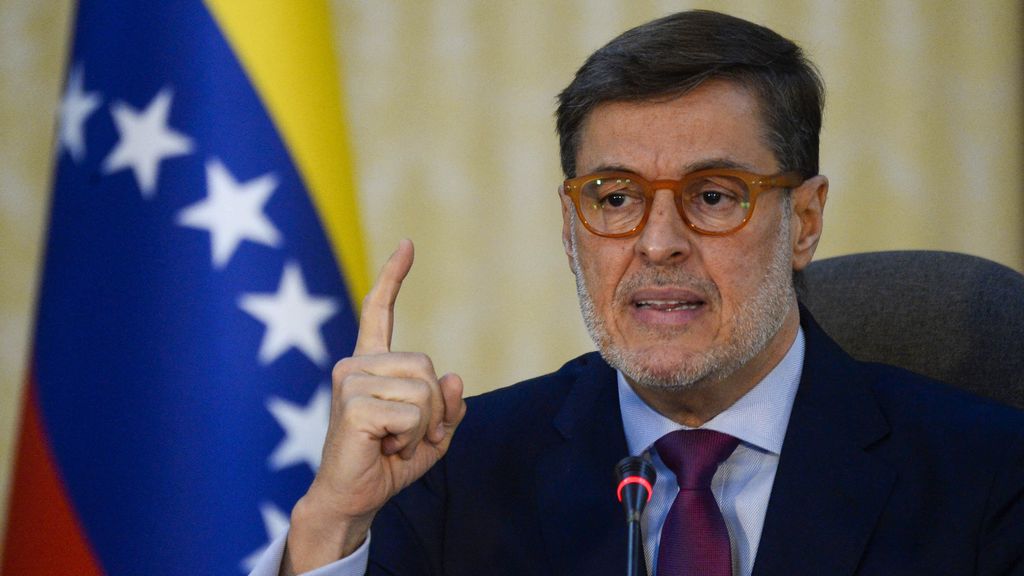
Venezuela intends to withdraw from the International Criminal Court (ICC) in The Hague, as announced by Foreign Minister Yván Gil Pinto on X. Pinto stated that the country has lost confidence in the court due to "political attacks on the Venezuelan people and the Venezuelan state." The ICC has been investigating since 2020 whether members of the regime in Caracas committed crimes against humanity. Venezuela also alleges that the court exhibits "geographic bias," primarily focusing on cases from Africa and Latin America. This move follows similar withdrawals by Niger, Mali, and Burkina Faso earlier this year, who described the ICC as an "instrument of neocolonial oppression." The United States, historically critical of the ICC, recently expressed a desire to dismantle the court "stone by stone" and is reportedly increasing pressure on other nations to withdraw. Venezuela's plans to leave predate recent diplomatic overtures by the US to its successor, Nicolás Maduro, following the abduction of a leader. The announcement coincides with the dismissal of the ICC's Chief Prosecutor, Karim Khan, on allegations of misconduct. Eighty-two of 125 member states voted for his removal after a subordinate accused him of sexual harassment and abuse of power. Khan maintains his innocence, and his legal team plans to challenge the decision, calling it politically motivated and unfair.
Venezuela's stated reasons for withdrawing from the ICC, citing political attacks and geographic bias, reflect a broader trend of skepticism towards international judicial bodies among certain states. This action, occurring concurrently with the dismissal of the ICC's Chief Prosecutor over misconduct allegations, highlights the complex interplay between national sovereignty, international law, and internal governance within judicial institutions. The situation raises questions about the ICC's perceived legitimacy and effectiveness, particularly concerning its jurisdiction and the political pressures it faces. As global power dynamics shift, the future of international justice mechanisms may depend on their ability to navigate accusations of bias and maintain impartiality in the eyes of all member states, ensuring accountability without appearing to be a tool of geopolitical agendas. The potential for increased pressure from influential nations on others to withdraw could further fragment the international legal order.
AI-generated to prompt reflection — not editorial opinion, not advice, not a statement of fact. How this works.