Venezuelan communities hit by earthquakes face rising illnesses amid humanitarian crisis
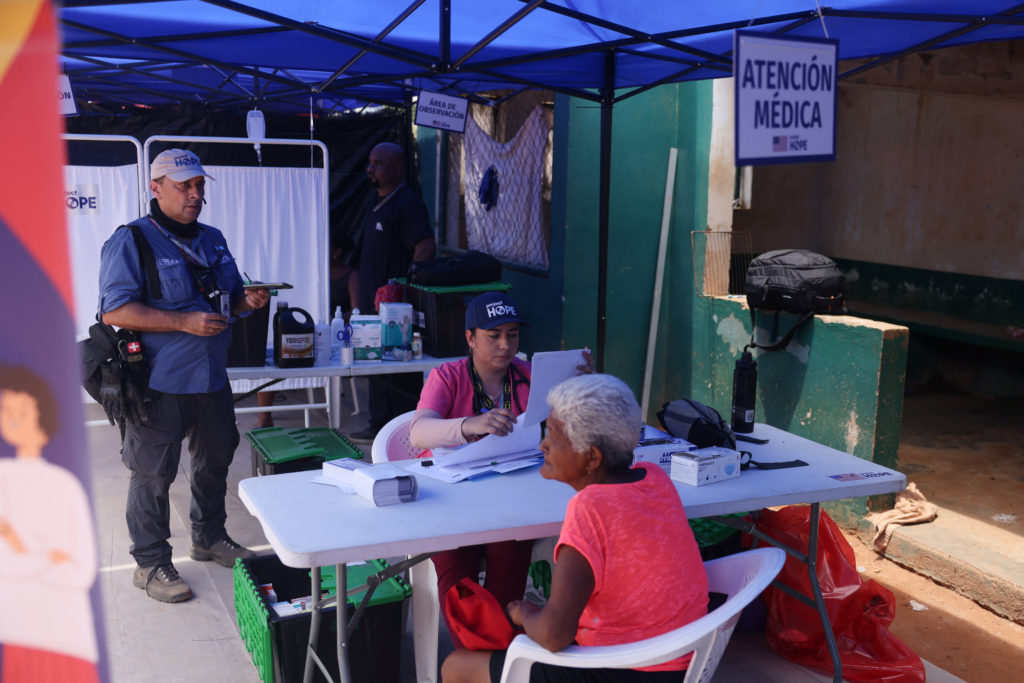
Communities in Venezuela's northern state of La Guaira are experiencing a surge in illnesses following recent earthquakes. Doctors have reported an increase in cases of skin conditions and diarrheal diseases. Additionally, there has been a rise in requests for medications to treat chronic conditions such as diabetes and high blood pressure. This situation is exacerbating an already building humanitarian crisis in the affected regions. The lack of adequate medical supplies and infrastructure is a significant concern for healthcare providers attempting to manage the growing health needs of the population. The long-term impact of these health issues, coupled with the ongoing humanitarian challenges, poses a serious threat to the well-being of residents in La Guaira.
The convergence of natural disaster and pre-existing humanitarian challenges in La Guaira highlights systemic vulnerabilities. The surge in communicable and chronic diseases post-earthquake suggests a breakdown in public health infrastructure, including access to clean water, sanitation, and essential medicines. This situation underscores the critical need for robust disaster preparedness and response mechanisms, particularly in regions already grappling with resource scarcity. Future resilience will depend on strengthening healthcare systems to withstand shocks and ensuring equitable distribution of aid, addressing the underlying socio-economic factors that amplify crisis impacts.
AI-generated to prompt reflection — not editorial opinion, not advice, not a statement of fact. How this works.