Venezuelan Community in Cuiabá Rallies to Aid Earthquake Victims Back Home
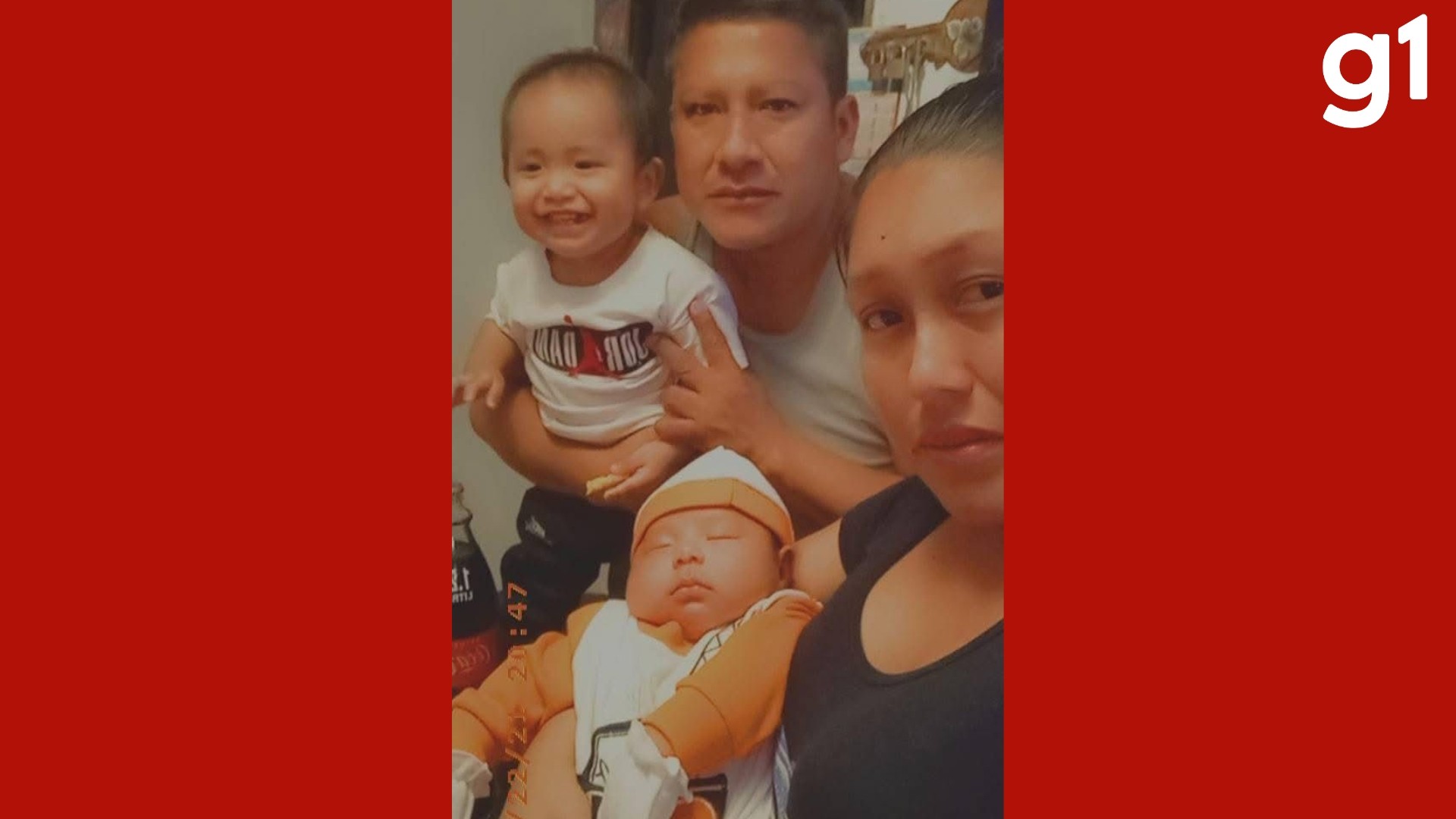
Venezuelans residing in Cuiabá, Mato Grosso, Brazil, have launched a campaign to collect essential supplies for those affected by a devastating earthquake in their home country. The initiative, organized by Venezuelan businesswoman Roslemy del Valle Rivero Rengel, aims to gather food, water, and hygiene products for victims of the twin tremors that struck Venezuela on June 24th. These earthquakes have resulted in at least 3,889 deaths and nearly 17,000 injuries, according to Venezuelan government figures. Roslemy, who has lived in Várzea Grande for nine years, has transformed her family's auto repair shop into a donation drop-off point, where volunteers sort and organize incoming aid. She expressed the deep emotional connection the community feels, stating, "As Venezuelans, we feel this situation very much. Even if we don't have family directly affected, we are very supportive and united with each other. We feel the pain as if it were our own."
One participant, Neury Tabaré, who has lived in Cuiabá for two years, shared her anxiety after losing contact with her sister-in-law, brother-in-law, and nephews, who survived the quakes but lost all their possessions. The distance has amplified her distress, and she hopes to eventually bring her relatives to Brazil. The collection point is located at Oficina Mundo Diesel, Rua Vereador Abelardo de Azevedo, nº 112, Bairro Ponte Nova, Várzea Grande. The collected items will be transported by truck to Amazonas and then distributed to affected regions by partner organizations. The campaign also accepts online financial contributions, and the organizers emphasize the urgent need for medicines due to their priority and ease of transport. The Venezuelan diaspora in Cuiabá is substantial, with 5,682 individuals registered in the Cadastro Único, and the Centro Pastoral para Migrantes has seen a significant increase in Venezuelan migrants seeking assistance.
This initiative highlights the profound impact of natural disasters on diasporic communities, demonstrating how shared identity and empathy can transcend geographical distance to foster humanitarian aid. The Venezuelan community's organized response underscores the importance of social networks and established support systems, such as the Centro Pastoral para Migrantes, in mobilizing resources during crises. The effort to channel aid through established logistical channels, including transportation to Amazonas and onward distribution, reflects a pragmatic approach to overcoming the complexities of international relief. Looking ahead, such grassroots efforts, when integrated with broader governmental and international aid strategies, can significantly enhance disaster response effectiveness, particularly in regions facing systemic challenges. The reliance on the generosity of the host country's population and businesses also points to the symbiotic relationship that can develop between migrant communities and their host societies, fostering mutual support and integration.
AI-generated to prompt reflection — not editorial opinion, not advice, not a statement of fact. How this works.