Venezuelan Deportees Missing After Hotel Collapse During Earthquakes
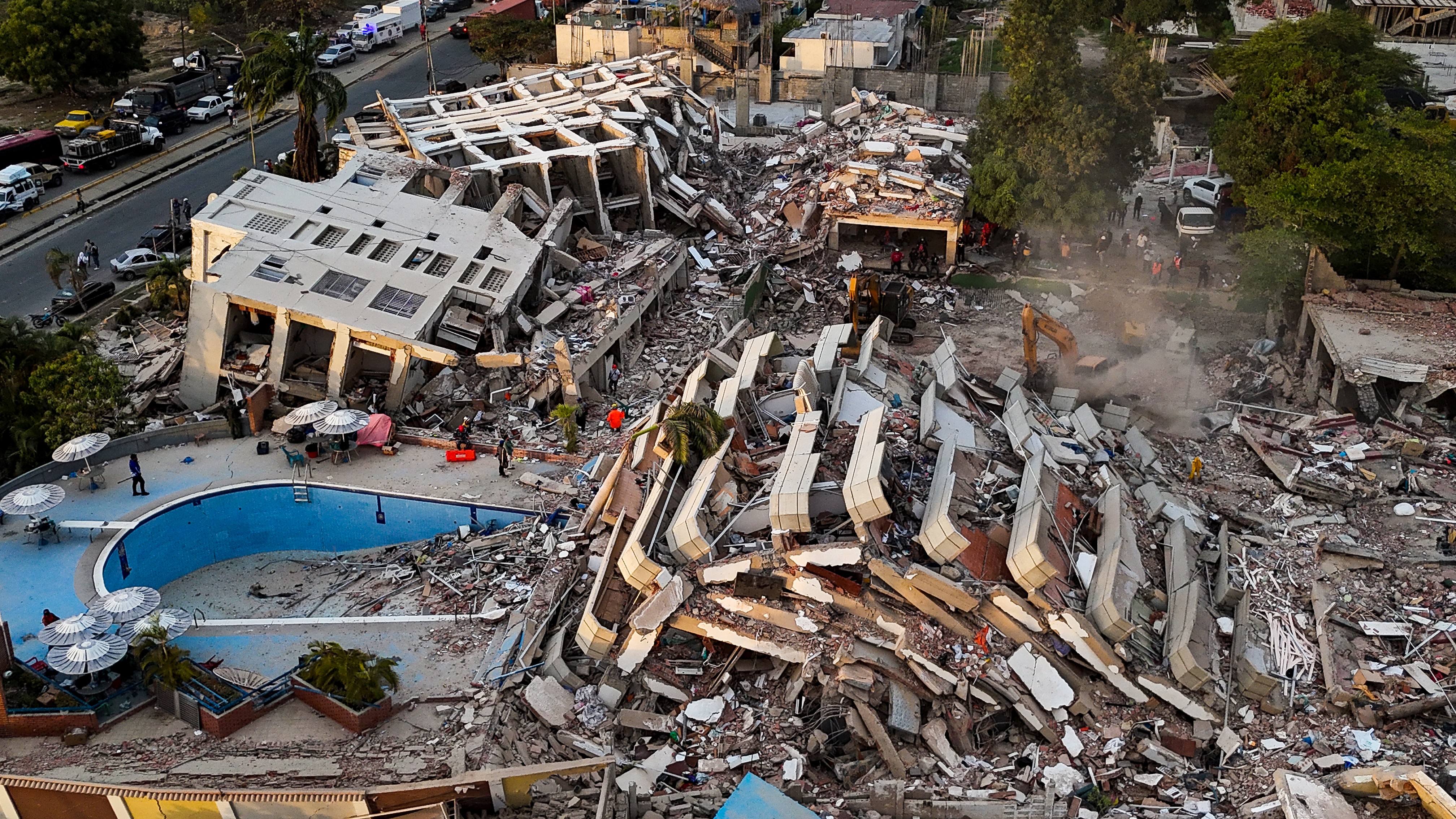
Approximately 100 Venezuelan deportees are missing after the hotel where they were staying collapsed during the earthquakes on June 24. The hotel, located in La Guaira, Venezuela's most affected region, was housing individuals who had been expelled from the United States. The flight from Miami carried 146 Venezuelans, including 19 women and seven children.
Upon arrival at Venezuela's main airport, the deportees were taken to the Hotel Santuario La Llanada, managed by the Venezuelan government's Grande Misión Vuelta a la Patria program. This facility is designated for receiving deportees and returnees for medical examinations and other procedures before their release. Survivors reported that their phones and documents were temporarily collected during the reception process. The plan was for everyone to be released the following day, but the hotel collapsed just hours after their arrival.
Families have reported receiving a list of 32 survivors from authorities, but the exact number of casualties remains unconfirmed. They are criticizing the government for holding the deportees at the hotel instead of releasing them immediately, which could have prevented them from being at the hotel during the tremors. Concerns have also been raised about the lack of information and the alleged obstruction of access to the site by the Bolivarian National Intelligence Service (Sebin), hindering search efforts and information gathering. The U.S. Department of Homeland Security stated that the deportees were no longer under their jurisdiction once handed over to Venezuelan authorities.
The collapse of the Hotel Santuario La Llanada highlights critical systemic failures in managing vulnerable populations during transit and processing. The Venezuelan government's program, intended for repatriation, appears to have lacked adequate safety protocols and transparent communication, particularly given the known risks associated with seismic activity in the region. The collection of personal effects and documents, while potentially for administrative purposes, compounded difficulties for survivors and families seeking information. The U.S. government's stance, while legally defensible regarding jurisdiction transfer, raises questions about due diligence concerning the welfare of individuals it deports to potentially precarious situations. Future policy considerations should involve enhanced intergovernmental cooperation on safety standards for deportee processing centers and clearer protocols for immediate family notification in crisis events, acknowledging the long-term implications of such events on international relations and humanitarian concerns.
AI-generated to prompt reflection — not editorial opinion, not advice, not a statement of fact. How this works.