Venezuelan Doctors Fear Prolonged Healthcare Crisis After Earthquakes
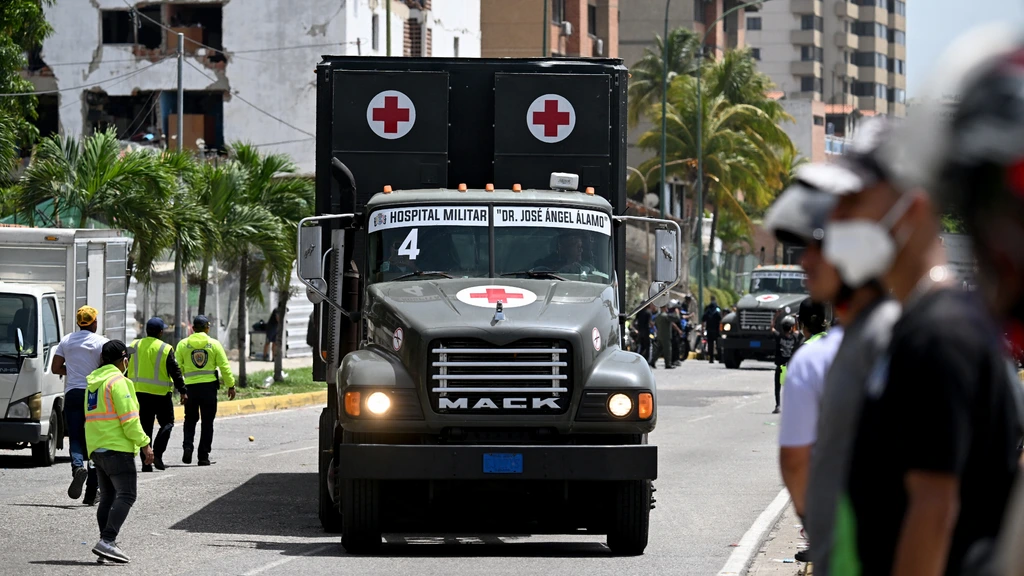
Prominent Venezuelan doctors are concerned that last week's earthquakes will exacerbate the country's already fragile healthcare system, potentially leading to long-term problems. Dr. Eugenio Cova, head of trauma at the Hospital José Gregorio Hernández in Caracas, warned that untreated infections could cause thousands of additional deaths in the short term. Official figures indicate at least 2,295 fatalities and over 11,000 injuries from the quakes, with tens of thousands still missing. Cova highlighted the chronic shortage of medical personnel, which predates the disaster, as a major impediment to care. The situation in temporary shelters is also a significant concern for medical professionals, who are witnessing complex trauma cases compounded by the risk of infections. Thirty-eight hospitals were damaged by the earthquakes, including Cova's facility, forcing him to perform complex surgeries in makeshift operating rooms due to a lack of equipment and sterile supplies. Doctors are actively seeking donations and medical supplies through social media appeals. The United Nations has also expressed fears of a humanitarian crisis, citing the poor state of healthcare infrastructure and unhygienic living conditions in displacement camps, with inadequate water, sanitation, and waste management posing risks of communicable diseases. Venezuela's healthcare system was already struggling with shortages of water, power, equipment, ambulances, and staff before the earthquakes. An estimated 7.7 million Venezuelans, including healthcare professionals, have left the country since 2013, and the Venezuelan Medical Association estimates that about one-third of registered doctors have emigrated due to the economic crisis. The United States has pledged $300 million in aid, to be distributed through humanitarian organizations and the UN. In a separate rescue, a 43-year-old man was pulled alive from the rubble of a collapsed building in Catia La Mar, where hundreds of rescue workers operated. The Dutch search and rescue team has since returned home. Hundreds of aftershocks have been recorded since the main tremors, with experts predicting they could continue for months.
The earthquakes in Venezuela have severely strained an already critically under-resourced healthcare system, a situation exacerbated by a significant emigration of medical professionals and chronic infrastructure deficiencies predating the disaster. The immediate aftermath highlights the compounding effects of natural disasters on fragile states, particularly concerning infectious disease outbreaks in displaced populations and the challenges of providing advanced medical care with damaged facilities and supply chain disruptions. Looking ahead, the Venezuelan government and international aid organizations face the dual challenge of immediate disaster relief and the long-term rebuilding of healthcare resilience. This event underscores the systemic vulnerabilities inherent in countries experiencing prolonged economic instability and political challenges, where public services like healthcare are often the first to degrade and the last to recover, necessitating sustained international cooperation and domestic policy reform to prevent future crises.
AI-generated to prompt reflection — not editorial opinion, not advice, not a statement of fact. How this works.