Venezuelan Earthquakes Expose Decades of Corruption and Systemic Collapse
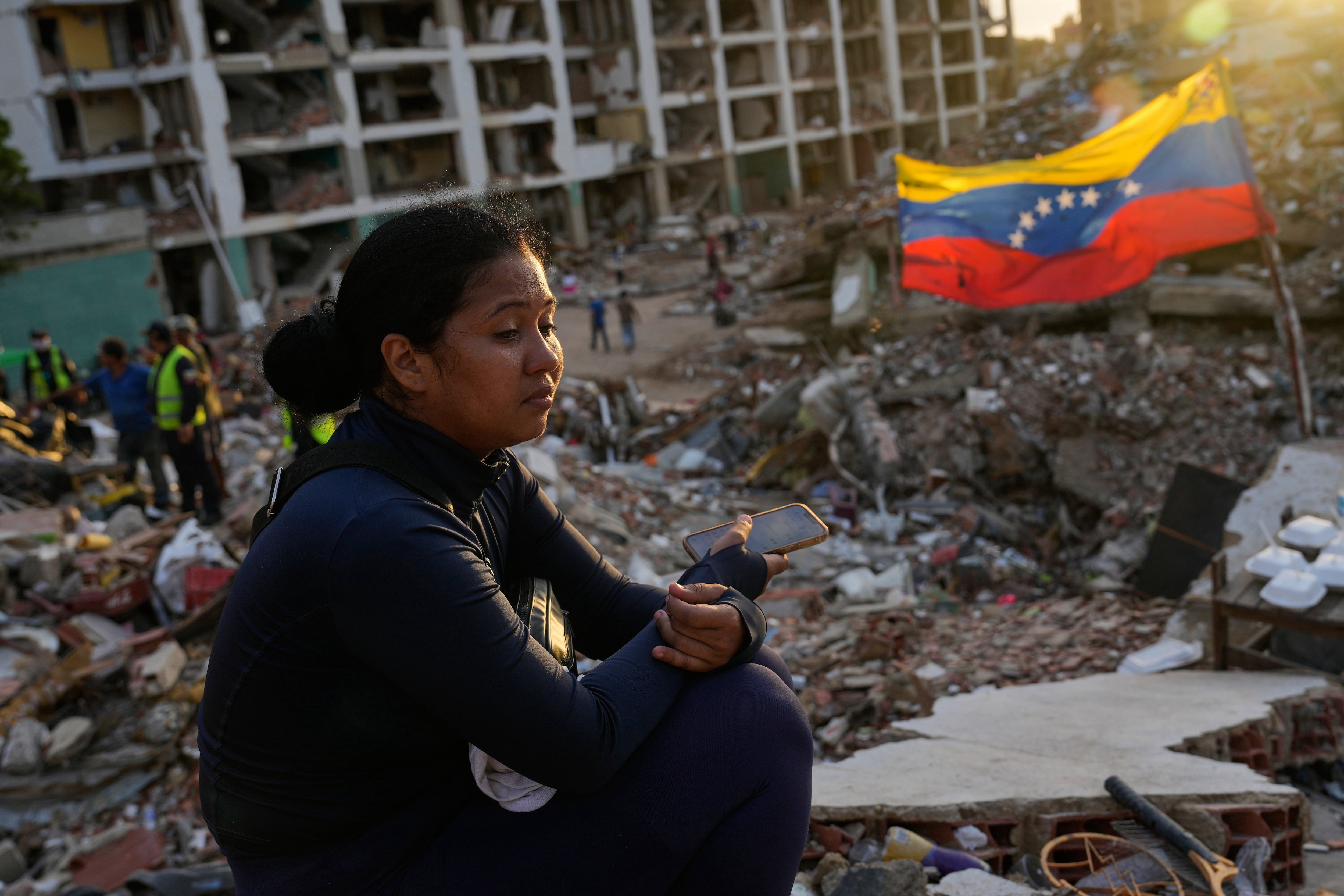
Recent earthquakes that struck seven of Venezuela's 23 states on June 24 have starkly revealed the extent of corruption, the failure of emergency systems, and the Chavista regime's inadequate response capabilities. The tremors exposed critical flaws in the "La Gran Misión Vivienda Venezuela" project, which claimed to have built over five million earthquake-resistant homes. Investigations indicate these structures were built without proper foundations or technical studies, and with substandard materials, despite being located in highly affected zones like La Guaira. Official figures report approximately 5,500 deaths, nearly 20,000 injuries, thousands of missing persons, and over 20,000 individuals displaced. This disaster highlights systemic issues, including the functionality of institutions, the integrity of construction projects, contract oversight, adherence to building codes, emergency preparedness, and the capacity of healthcare services. Venezuela's deep-seated economic crisis, populist policies, and decades of corruption have hollowed out state institutions, leaving the population vulnerable. According to Transparency International's 2025 Corruption Perception Index, Venezuela ranks among the world's most corrupt nations, at 180th out of 182 countries with a score of 10 out of 100. The earthquakes demonstrate the severe human cost of institutionalized corruption, where a lack of strong institutions and independent judicial oversight allows negligence and wrongdoing to persist without accountability. The nation faces the urgent need to re-establish the rule of law and democratic processes to prevent future tragedies from being met with silence and impunity.
The Venezuelan earthquakes serve as a stark illustration of how systemic corruption and governance failures can exacerbate the impact of natural disasters. The event underscores the critical importance of robust institutional frameworks, transparent procurement processes, and strict adherence to building codes, particularly in regions prone to seismic activity. The alleged use of substandard materials and inadequate foundational work in state housing projects, despite official claims of quality, points to a breakdown in oversight and accountability mechanisms. This situation highlights a broader challenge in countries with weak rule of law and entrenched corruption, where the immediate human cost of negligence can be devastating and long-lasting. Moving forward, rebuilding efforts must prioritize not only physical infrastructure but also the restoration of independent institutions and judicial processes to ensure that such failures are not repeated and that accountability is established, thereby fostering greater resilience against future crises.
AI-generated to prompt reflection — not editorial opinion, not advice, not a statement of fact. How this works.