Venezuelan Fashion Designer Shifts Production from Gowns to Body Bags Post-Earthquake
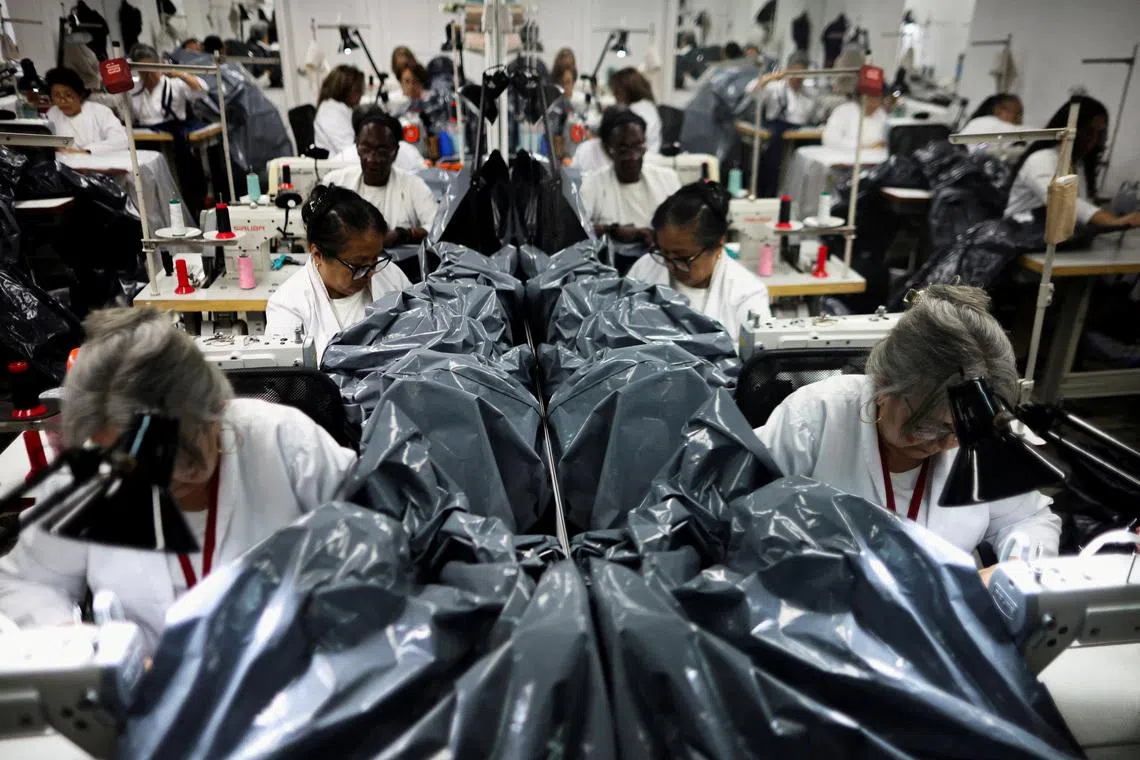
In Maracay, Venezuela, fashion designer Efrain Mogollon has repurposed his workshop, traditionally focused on elegant dresses, to produce body bags following devastating earthquakes. Mogollon, surrounded by sketches of high fashion, begins his workday with this somber new objective. The shift highlights the profound impact of the natural disaster on local industries and community needs. This adaptation demonstrates a pragmatic response to a crisis, prioritizing essential services over luxury goods. The move from creating aesthetic garments to manufacturing vital equipment underscores the immediate and critical demands arising from widespread destruction. Mogollon's initiative reflects a broader societal pivot towards addressing urgent humanitarian requirements in the aftermath of the earthquakes. The workshop's transformation from a place of creative design to one of essential production signifies a stark but necessary change in priorities.
This event illustrates the adaptive capacity of local businesses in crisis zones, where market demands can rapidly shift from consumer goods to essential survival items. The repurposing of a fashion workshop for body bag production highlights the tension between traditional economic activities and emergent humanitarian needs. Such transitions, while necessary for immediate relief, may present long-term challenges for businesses seeking to re-establish their original market position post-disaster. This situation prompts consideration of how supply chains and manufacturing capabilities can be made more resilient and flexible to respond to unpredictable catastrophic events, potentially through government-backed diversification programs or inter-industry partnerships.
AI-generated to prompt reflection — not editorial opinion, not advice, not a statement of fact. How this works.