Venezuelan Housing Project Devastated by Quakes, Exposing Government Weaknesses
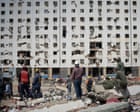
Two powerful earthquakes have reduced the OPPE 25 government housing project in Caraballeda, Venezuela, to rubble. This disaster has intensified discontent with the current government, which appears ill-prepared to handle the crisis. The housing project, consisting of 12-floor tower blocks, was originally built in 2013 under Hugo Chávez's "Bolivarian" revolution. Even before the earthquakes, the foundations of this populist movement were reportedly weakening in areas that were once strongholds of support. The destruction of the housing project has led to widespread fury and highlighted the struggles of Chávez's successors in responding to such catastrophic events. Residents like Gabriel González, who once celebrated receiving his apartment keys, now face devastation amidst the ruins. The event underscores the fragility of infrastructure and the challenges faced by the government in disaster management and fulfilling the promises of its revolutionary past.
The earthquake's impact on the OPPE 25 housing project in Caraballeda, Venezuela, serves as a stark illustration of how infrastructure vulnerabilities can exacerbate societal discontent during crises. The event highlights potential governance challenges in disaster preparedness and response, particularly for governments inheriting large-scale social projects. The destruction of housing built under a previous political mandate raises questions about long-term maintenance, structural integrity, and the sustainability of state-led development initiatives. Future policy considerations might involve strengthening building codes, investing in resilient infrastructure, and establishing more robust emergency response mechanisms independent of immediate political cycles. This situation prompts reflection on the enduring legacy of revolutionary-era projects and the critical need for adaptive governance in the face of natural disasters and evolving societal needs.
AI-generated to prompt reflection — not editorial opinion, not advice, not a statement of fact. How this works.