Venezuelan Indigenous Artist Blends Pemón Tradition with Contemporary Music
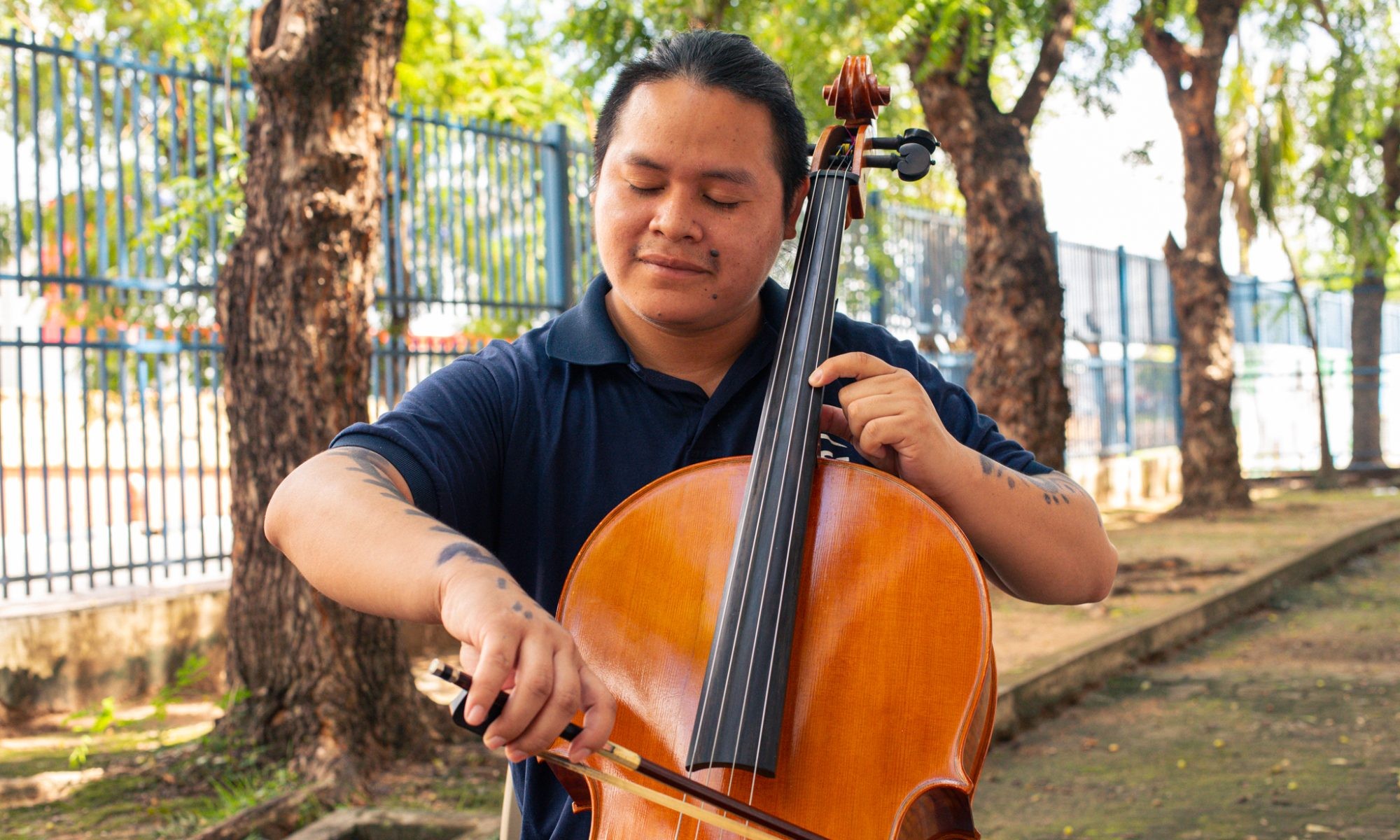
Venezuelan indigenous musician Santiago Pemón has released his debut EP, aiming to introduce the ancestral music of the Pemón-Taurepang people to diverse audiences across Brazil. The EP features three tracks inspired by traditional chants, performed in the Pemón language and accompanied by instruments such as the cello and percussion. Pemón, originally from Santa Elena de Uairén in Venezuela, near the Brazilian border, grew up in the Manak-Krü indigenous community, where music became a vital tool for cultural preservation and sharing. The EP, titled "Santiago canta o povo Pemón" (Santiago Sings the Pemón People), was supported by the Serviço Social do Comércio (Sesc), where Pemón currently serves as a musical advisor. The work merges indigenous oral tradition with contemporary musical elements, representing a significant step in his artistic journey, as he stated that after finding his unique style, recording is the logical next phase. He anticipates this release will open doors to future opportunities. The repertoire includes reinterpretations of traditional Pemón chants; the first two tracks draw from ancestral rhythms associated with community rituals and celebrations, while the third is an original composition. This instrumental piece uses voice and cello, symbolizing a transition from night to dawn, reflecting themes of reflection and hope. Pemón emphasizes that reinterpreting these songs keeps his people's identity alive, demonstrating that indigenous culture can respectfully integrate contemporary influences without losing its essence. He also is part of Trio Pémon with his siblings Luis and Greccia Páez, though they currently pursue individual projects and reunite for specific performances and recordings.
This release highlights the dynamic evolution of indigenous cultural expression, demonstrating how traditional artistic forms can be recontextualized through contemporary mediums and instruments. The artist's approach of integrating ancestral chants with Western classical instrumentation like the cello, alongside modern digital distribution platforms, signals a strategic adaptation to globalized cultural landscapes. This fusion serves not only to preserve and disseminate Pemón heritage but also to foster cross-cultural dialogue and potentially create new economic and artistic opportunities. The initiative underscores a broader trend where indigenous artists leverage modern technologies and collaborations to assert their cultural presence and agency on an international stage, navigating the complexities of cultural exchange while maintaining artistic integrity and ancestral connections.
AI-generated to prompt reflection — not editorial opinion, not advice, not a statement of fact. How this works.