Venezuelan Man Rescued After 7 Days Trapped Under Rubble
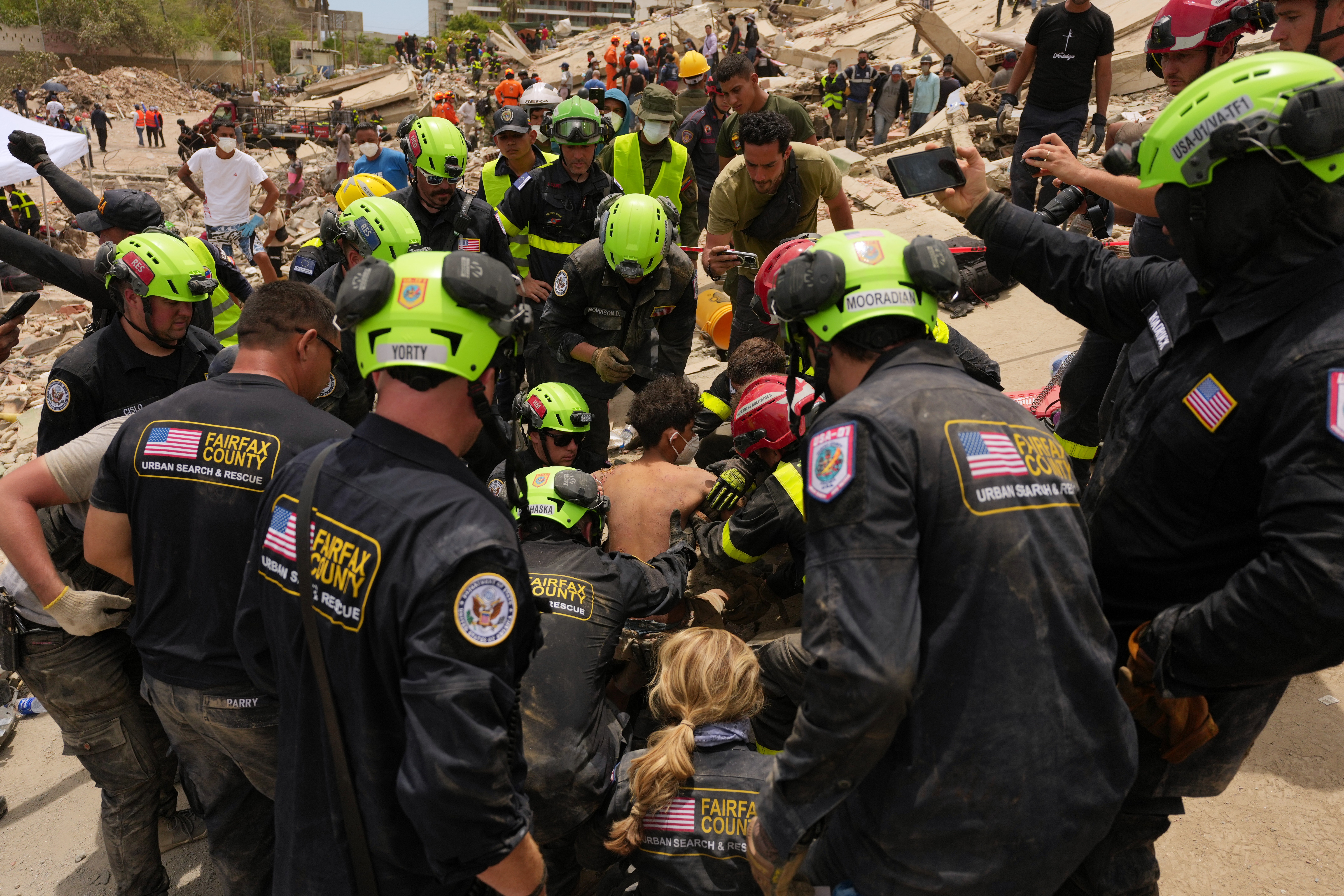
Rescue workers have made contact with Hernán Gil, a 43-year-old Venezuelan security guard, who has been trapped for over seven days beneath the rubble of a shopping mall parking lot in La Guaira, Venezuela. Gil was in his security booth when earthquakes, measuring 7.2 and 7.5 magnitude, struck on June 24, devastating the region. Hundreds of rescuers from various countries, including the United States, El Salvador, Costa Rica, Portugal, Mexico, and Chile, have been working continuously for over three days in a challenging and prolonged rescue operation. They have reinforced the unstable structure with wood and iron to prevent further collapse. Gil is reportedly in good psychological condition, receiving hydration through a tube and air supply. His wife, Gusbimar González, described the situation as a miracle, explaining that the tremor shifted his booth, trapping him between walls. This rescue attempt comes as hope for finding more survivors dwindles, with national mourning declared for the over 2,200 confirmed dead and thousands more injured or missing. The earthquakes caused widespread destruction, with tens of thousands displaced and facing shortages of food and shelter. International aid organizations are mobilizing resources, but the scale of the disaster, estimated to have caused billions in damages, presents a monumental rebuilding challenge, compounded by risks of disease outbreaks due to strained health services.
The prolonged rescue of Hernán Gil highlights the extreme challenges faced in disaster response, particularly in regions with pre-existing infrastructure vulnerabilities and limited resources. While international cooperation in rescue efforts is commendable, the event underscores systemic issues regarding building codes, disaster preparedness, and the equitable distribution of aid in crisis situations. The disparity between government and UN figures on displaced persons suggests potential information control or differing assessment methodologies, impacting the efficacy of relief efforts. Looking ahead, the integration of advanced AI in disaster prediction, damage assessment, and resource allocation could significantly improve response times and survivor outcomes, while also demanding greater transparency in governance to ensure aid reaches those most in need.
AI-generated to prompt reflection — not editorial opinion, not advice, not a statement of fact. How this works.