Venezuelan Man Rescued After 8 Days Under Rubble Shares His Ordeal
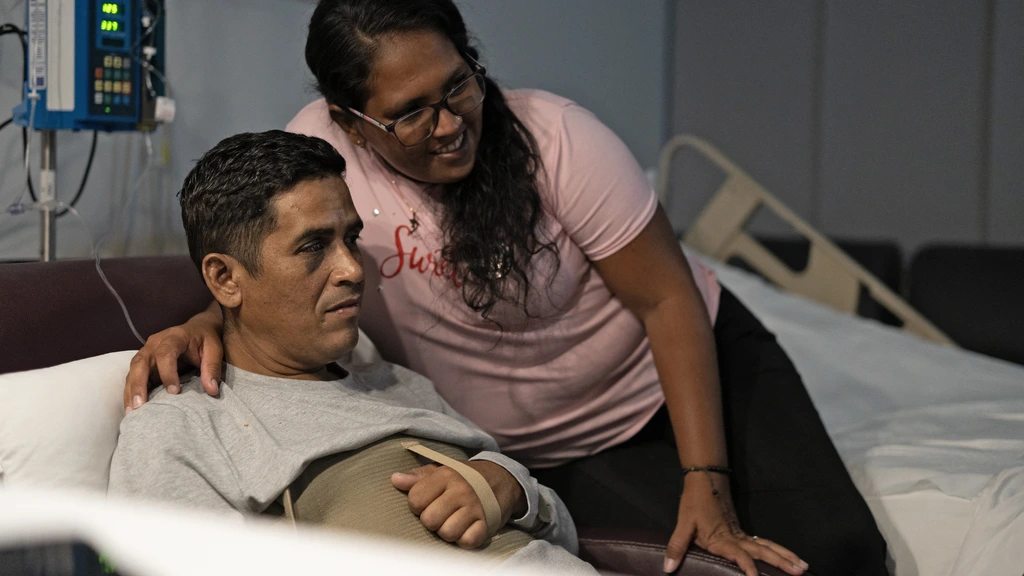
Hernán Gil, a 43-year-old security guard, has become a symbol of hope in Venezuela after being rescued alive from beneath rubble eight days following devastating earthquakes. Gil was working in his booth at an eight-story shopping center in the coastal city of La Guaira when the earthquake struck on June 24th. The building collapsed, but his booth provided some protection. He recalls hearing about the tremor just before everything fell, losing consciousness, and waking up in darkness and uncertainty. Overwhelmed by despair, he struggled to breathe and felt crushed by the weight of the debris, experiencing numerous aftershocks. Gil credits his faith and prayer for helping him endure the ordeal, repeatedly asking why he was chosen and pleading to see his children again. After approximately three days, he heard distant footsteps and his cries for help were finally answered. A multinational rescue operation involving teams from seven countries worked for over three days to free him, facing challenges from shifting debris that further trapped him. Contact was maintained via a telescopic camera, and he received water and liquid nutrition through a narrow shaft. Gil, who describes himself as "reborn," believes his survival is a life-changing miracle. He is recovering well in the hospital, sitting up with his arm in a sling, and has spoken to media outlets. He hopes to be discharged by July 15th to celebrate his son's birthday and plans to go on vacation to the beach. Meanwhile, the Venezuelan Ministry of Information reports the earthquake death toll has risen to 3,342, with 16,470 injured, while an opposition-led online registry lists 36,000 missing, with other parties estimating tens of thousands.
This account highlights the resilience of the human spirit in the face of catastrophic natural disasters. The rescue of Hernán Gil underscores the critical role of international cooperation and specialized rescue techniques in disaster response. The stark contrast between Gil's personal survival narrative and the official death toll of over 3,300, alongside tens of thousands reported missing, points to the profound scale of loss. Future disaster preparedness strategies might consider how to better integrate civilian-led missing person registries with official government efforts to provide a more comprehensive picture of casualties and facilitate aid distribution. The event also raises questions about infrastructure resilience in seismically active regions and the long-term psychological and economic recovery needs of affected populations.
AI-generated to prompt reflection — not editorial opinion, not advice, not a statement of fact. How this works.