Venezuelan Man Searches Rubble for Family After Deadly Earthquakes
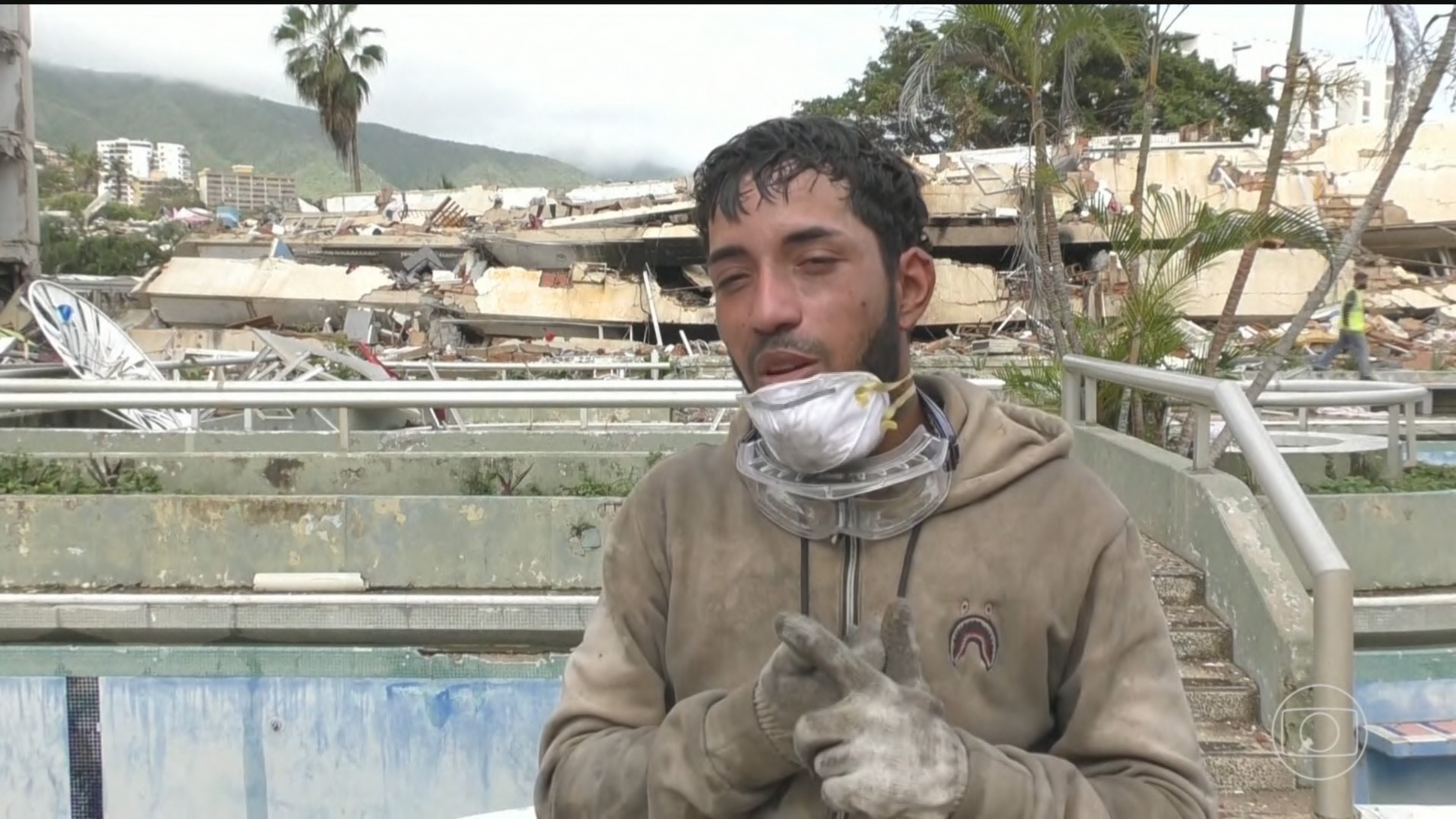
One week after devastating earthquakes struck Venezuela, the death toll has risen to nearly 2,300. Juan Andrade is tirelessly sifting through the debris of his collapsed building in La Guaira, desperately searching for his mother, sister, niece, daughter, brother-in-law, and wife. While he has helped rescue nine survivors in the initial days, he has yet to find any of his relatives. Andrade expressed his determination, stating, "If I can't save my own, I'll save whomever I can." Many families and volunteers are conducting searches themselves due to a shortage of official rescuers. Government-provided excavators are reportedly idle because of a lack of fuel, hindering debris removal efforts. Venezuela's public health system, already strained, is now overwhelmed by thousands of injured individuals. Hospitals in Caracas are facing critical shortages of medication and equipment, forcing medical staff to prioritize the most severely ill patients. Hundreds of aftershocks have left many Venezuelans too afraid to return to their homes, with some residents recounting sleeping outdoors. The city of La Guaira, the most affected area, saw the sequential collapse of buildings constructed in the 1970s, with their close proximity exacerbating the destruction. The official government toll indicates that over 50,000 people remain missing nationwide.
The Venezuelan earthquakes highlight critical infrastructure and governance challenges exacerbated by the disaster. The reported lack of fuel for heavy machinery and shortages in the healthcare system suggest pre-existing systemic weaknesses that limit the state's capacity to respond effectively. The reliance on family and volunteer efforts for rescue operations, while demonstrating resilience, underscores a gap in organized emergency response. This situation prompts reflection on disaster preparedness, resource allocation, and the long-term impact of underinvestment in public services, particularly in the context of potential future seismic events and the ongoing economic conditions within the country. The narrative of personal determination amidst widespread loss also raises questions about societal support structures and the psychological toll on survivors.
AI-generated to prompt reflection — not editorial opinion, not advice, not a statement of fact. How this works.