Venezuelan Opposition Leaders Distance Themselves from US-Backed Dialogue
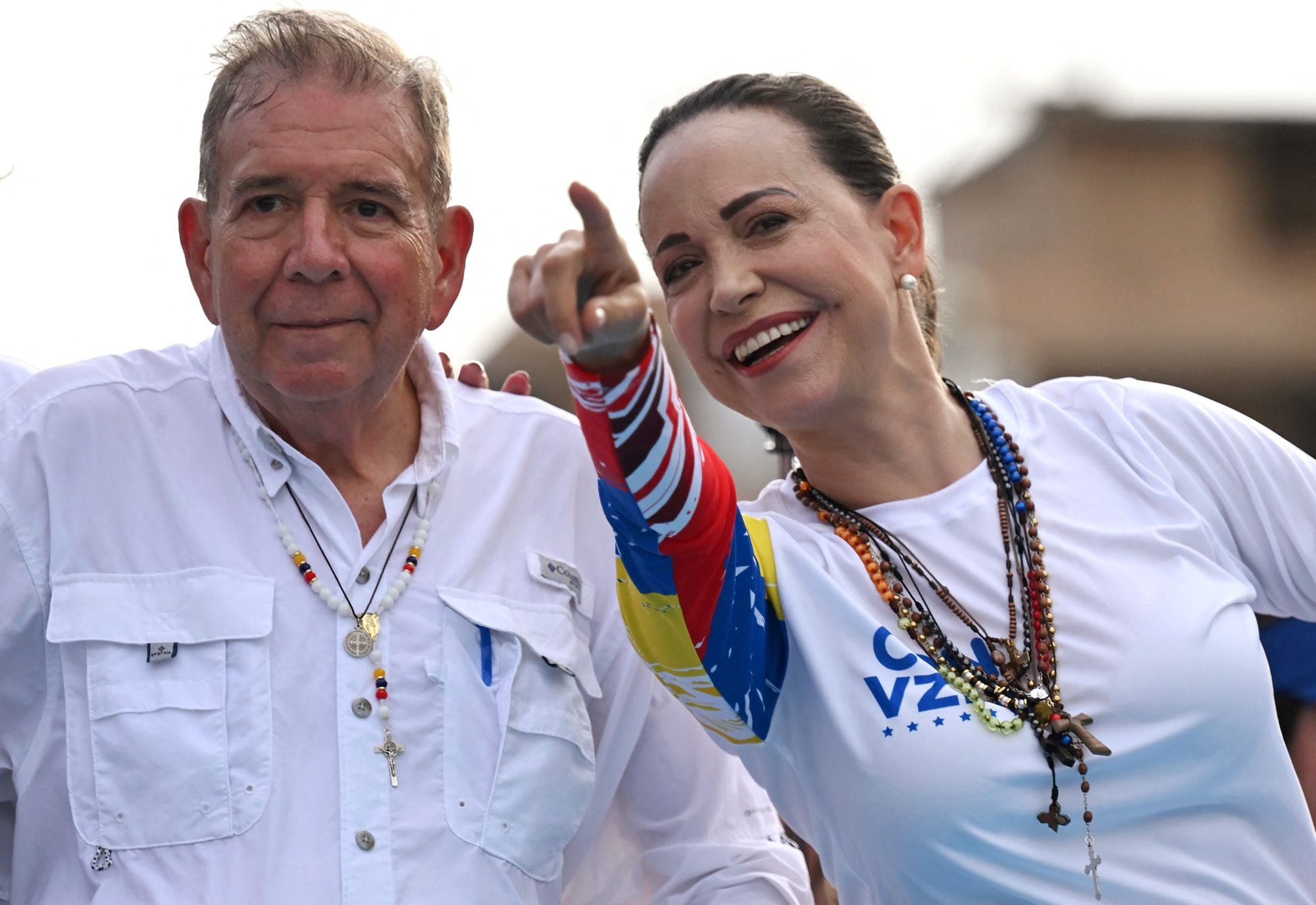
Opposition leaders María Corina Machado and Edmundo González Urrutia have distanced themselves from the dialogue mechanism initiated by the United States with the Chavista government. Both leaders rejected participating in the current talks between the 2015 Parliament and the ruling party. They have conditioned their support for any dialogue on concrete results. Specifically, they demand the holding of elections and the release of political prisoners. This stance signals a potential divergence from US diplomatic efforts aimed at fostering a political resolution in Venezuela. The opposition's focus on tangible outcomes highlights their skepticism regarding the sincerity of the current negotiations. Their conditions underscore a desire for verifiable progress before committing to further engagement with the government. The refusal to participate without these preconditions could impact the effectiveness of the US-led initiative.
The opposition's strategic decision to condition dialogue on concrete outcomes like elections and prisoner releases, rather than engaging with a process lacking such guarantees, reflects a calculated approach to political negotiation. This stance prioritizes verifiable progress and democratic benchmarks over participation in potentially symbolic talks. From a systems perspective, this highlights the inherent tension between external diplomatic pressure and the internal demands of a domestic political movement seeking substantive change. The effectiveness of US-backed initiatives may hinge on their ability to bridge this gap and ensure that dialogue translates into tangible improvements in democratic governance and human rights within Venezuela, aligning with long-term trends towards greater accountability and citizen participation.
AI-generated to prompt reflection — not editorial opinion, not advice, not a statement of fact. How this works.