Venezuelan Tourist Hub Devastated by Major Earthquake
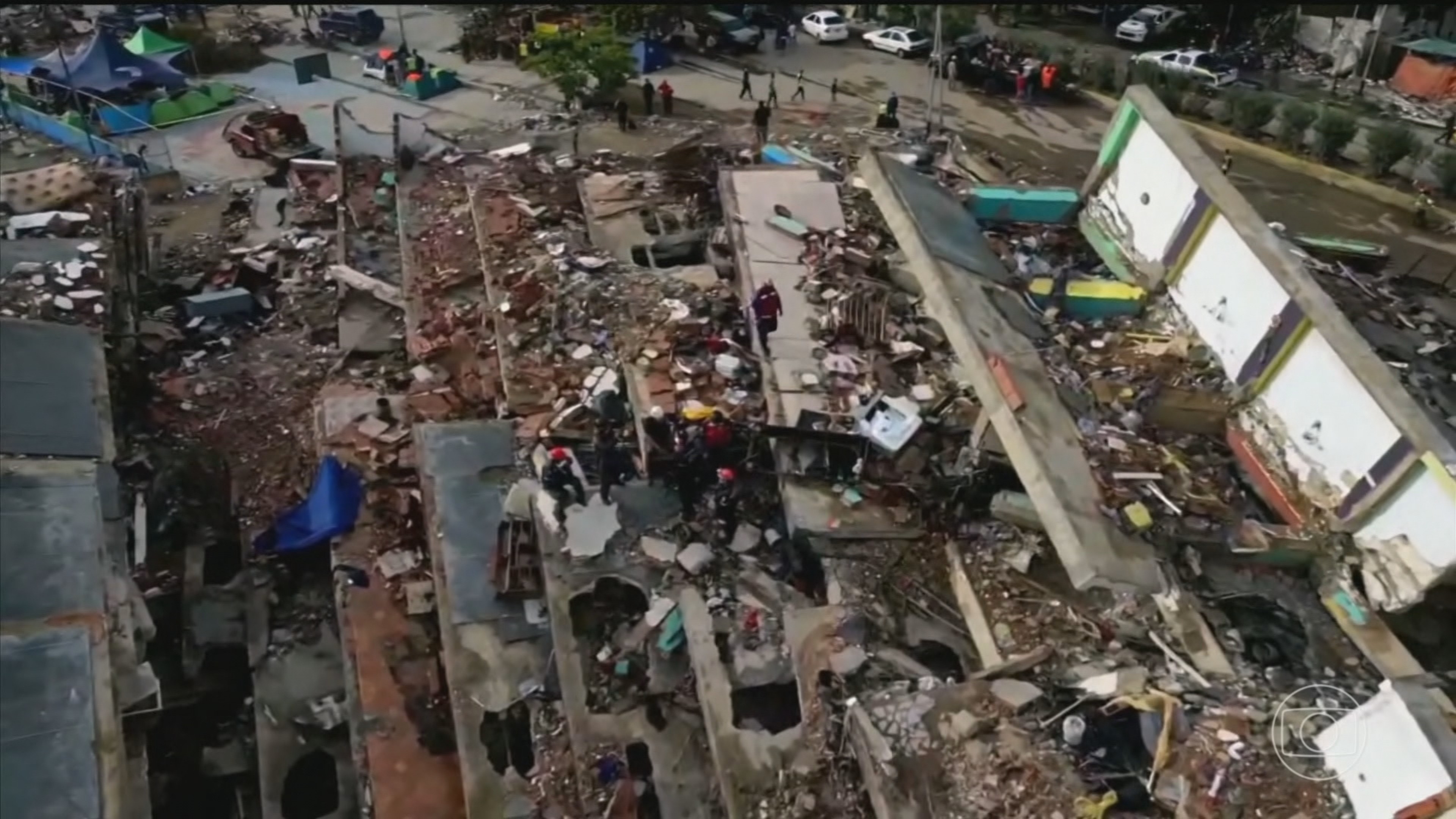
La Guaira, a prominent Venezuelan tourist destination, has become the epicenter of the nation's most significant tragedy in decades following a devastating double earthquake. Special envoys described the capital of the state of the same name as a scene of widespread destruction, with tall residential buildings on the Avenida Beira-Mar completely leveled. In stark contrast, informal settlements, referred to as favelas, located on the hillsides, remained largely intact. International rescue teams, including a substantial contingent from Brazil's Civil Defense, are actively searching for survivors amidst the rubble. Despite the passage of time since the earthquakes on Wednesday, the 24th, rescue efforts continue, with some areas showing signs of potential life in the debris. The scale of the disaster is immense, with entire city blocks reduced to ruins and over 2,600 confirmed deaths. Heavy machinery is crucial for clearing the concrete blocks, posing a significant logistical challenge for rescuers. The World Health Organization has raised concerns about the potential spread of diseases like measles among survivors in shelters, citing low vaccination rates. Public opinion regarding the government's response is largely negative, with a survey indicating that over half of Venezuelans deem it very poor. Interim President Delcy Rodríguez has faced criticism from human rights groups and victims' families, though she has defended the government's immediate actions. She recently visited a rescued security guard who was trapped for eight days.
The stark contrast between the destruction of modern concrete structures and the resilience of informal hillside settlements in La Guaira highlights differing vulnerabilities to seismic events. This disparity may stem from construction standards, building codes, and potentially the density and materials used in each type of housing. The Venezuelan government's response, facing public disapproval and criticism, underscores the challenges of disaster management, particularly concerning resource allocation and logistical capabilities for large-scale rescue and recovery operations. International aid and the involvement of organizations like the WHO are critical, not only for immediate relief but also for addressing long-term public health risks, such as disease outbreaks in displaced populations. Looking ahead, rebuilding efforts in seismically active zones will necessitate a re-evaluation of urban planning and building regulations to mitigate future risks, potentially prioritizing more resilient infrastructure and housing solutions across all socioeconomic strata.
AI-generated to prompt reflection — not editorial opinion, not advice, not a statement of fact. How this works.