Venezuelan volunteer firefighter recounts harrowing 18-day rescue mission after earthquake
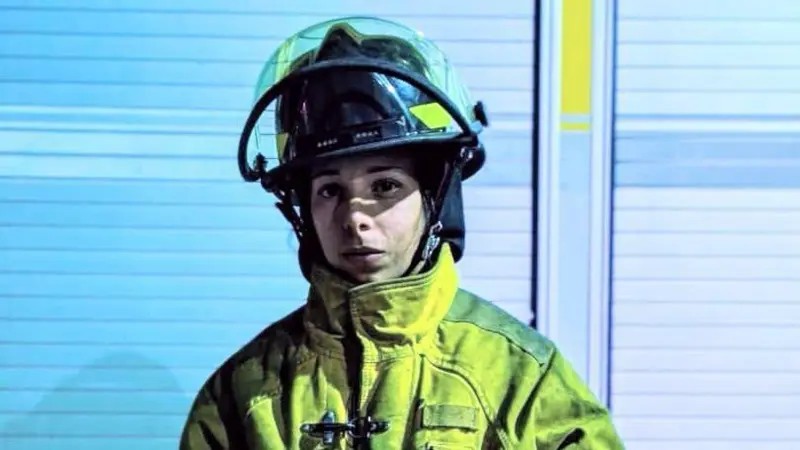
Daniela Villarroel, a 28-year-old volunteer firefighter with seven years of experience, has described the intense emotional and physical toll of her 18-day continuous rescue mission following a devastating double earthquake in Venezuela on June 24. Villarroel, who works as a nutritionist, paused her career to join the Central University of Venezuela Volunteer Firefighters Corps in Caracas. She traveled to La Guaira, the most severely affected state, to assist in the recovery of survivors and bodies from collapsed buildings. Her work involved navigating extremely confined spaces, often described as the size of four letter-sized papers, while dealing with the grim reality of crushed victims and the constant threat of aftershocks. Despite the harrowing scenes, Villarroel focused on providing psychological support to survivors, recognizing her role as their sole point of stability. She recounted the rescue of Gabriel, a 22-year-old man who survived due to the bodies of his family members forming a protective barrier, and the eight-hour operation to save an elderly woman trapped in a pancaked building. Villarroel, who is petite, found her size advantageous for accessing narrow crevices. The experience left her with a persistent smell of death on her belongings, forcing her to discard clothes and constantly wash her uniform. The volunteer firefighters, who are unpaid, often use their own funds for equipment, highlighting their dedication despite personal financial strain.
This account highlights the profound human cost of natural disasters and the critical role of volunteer emergency responders. The narrative underscores the psychological burden carried by rescuers, particularly the lingering sensory and emotional trauma associated with recovering victims. It also implicitly points to systemic vulnerabilities, such as the reliance on unpaid volunteers and potentially inadequate disaster preparedness infrastructure, which become starkly apparent during catastrophic events. The story serves as a powerful reminder of the need for robust support systems for first responders, both during and after crisis events, and for investing in resilient infrastructure to mitigate the impact of future seismic activity.
AI-generated to prompt reflection — not editorial opinion, not advice, not a statement of fact. How this works.