Venezuelans Dig Through Rubble Two Weeks After Deadly Earthquake
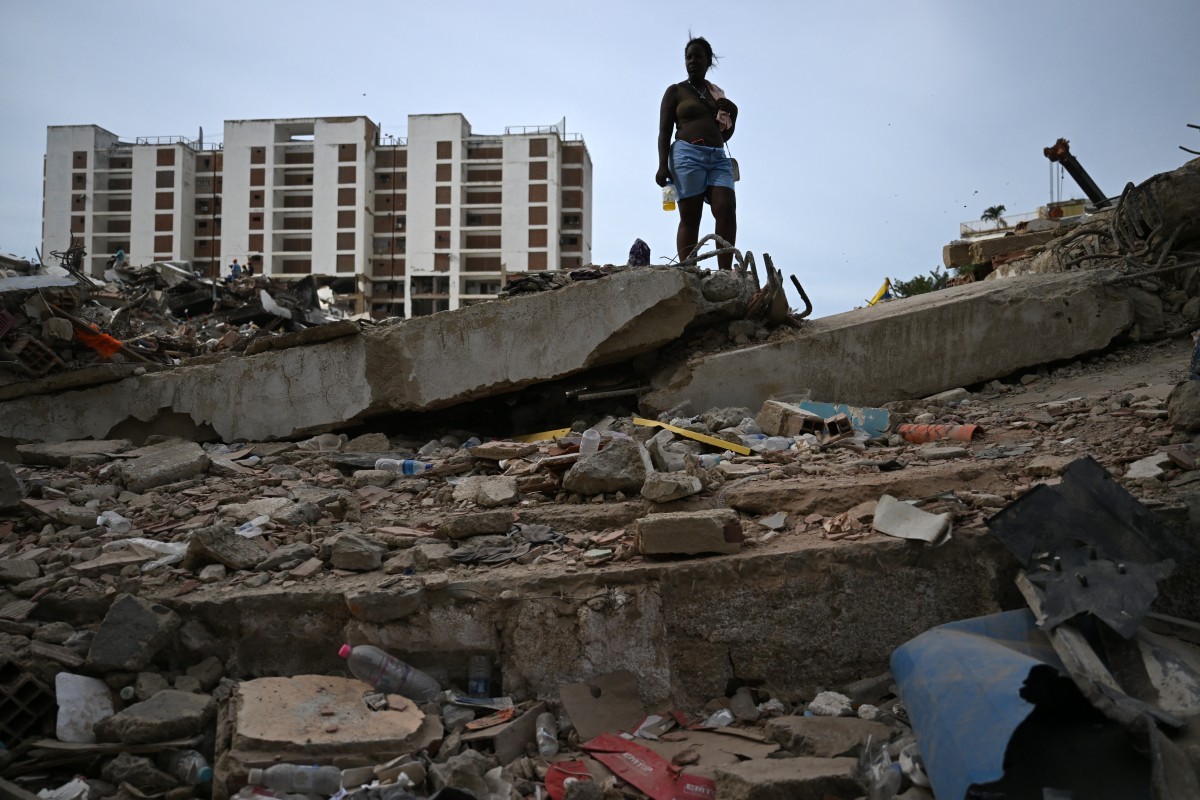
Two weeks after a powerful double earthquake struck Venezuela on June 24, 2026, residents in the hardest-hit state of La Guaira, particularly in Caraballeda, are still digging through the debris in a desperate search for loved ones. Ciro Ocando, a Venezuelan man, continues to excavate a tunnel between the rubble of a collapsed building in Playa Grande, seeking his two teenage sons, aged 13 and 18, and their aunt, presumed to be buried there. Initially hoping for their rescue, Ocando and his family now focus on recovering their bodies, having set up a makeshift camp near the ruins. He has personally funded lighting, generators, and tools for his efforts, expressing frustration with the slow pace of official response. Many families fear that heavy machinery will clear the debris before they can retrieve the bodies of their relatives. Damián Molero, Ocando's brother, criticizes the government's actions, accusing them of merely wanting to demolish the structures and providing no real support. He alleges that the National Guard and Army conducted superficial operations, and that the affected residential complex, built under the governments of Hugo Chávez and Nicolás Maduro, lacked proper foundations. Lázaro Cardozo, searching for his cousin's daughter, Fabiana, also blames the current administration and former leaders, citing negligence in construction and a focus on populism over safety. He believes the buildings, intended for the working class, collapsed due to poor construction standards, driven by a desire for votes rather than genuine concern. Cardozo, like Ocando, remains committed to finding his relative, emphasizing that their search is a matter of personal urgency and commitment.
The narrative highlights a profound disconnect between the needs of affected citizens and the perceived efficacy of state response following a natural disaster. Families are undertaking dangerous, self-funded recovery efforts, driven by a deep personal imperative to find their loved ones, while expressing significant distrust in official channels. This situation points to systemic issues in disaster preparedness, resource allocation, and public trust, potentially exacerbated by political instability and alleged corruption in infrastructure development. The long-term implications involve not only the immediate humanitarian crisis but also the erosion of confidence in governance, which could foster further social fragmentation and hinder future recovery initiatives. The focus on populist housing projects without adequate structural integrity underscores a critical tension between political expediency and public safety, a dynamic that may recur in regions facing similar developmental pressures and governance challenges.
AI-generated to prompt reflection — not editorial opinion, not advice, not a statement of fact. How this works.