Venezuelans in Brazil Organize Aid for Earthquake Victims Back Home
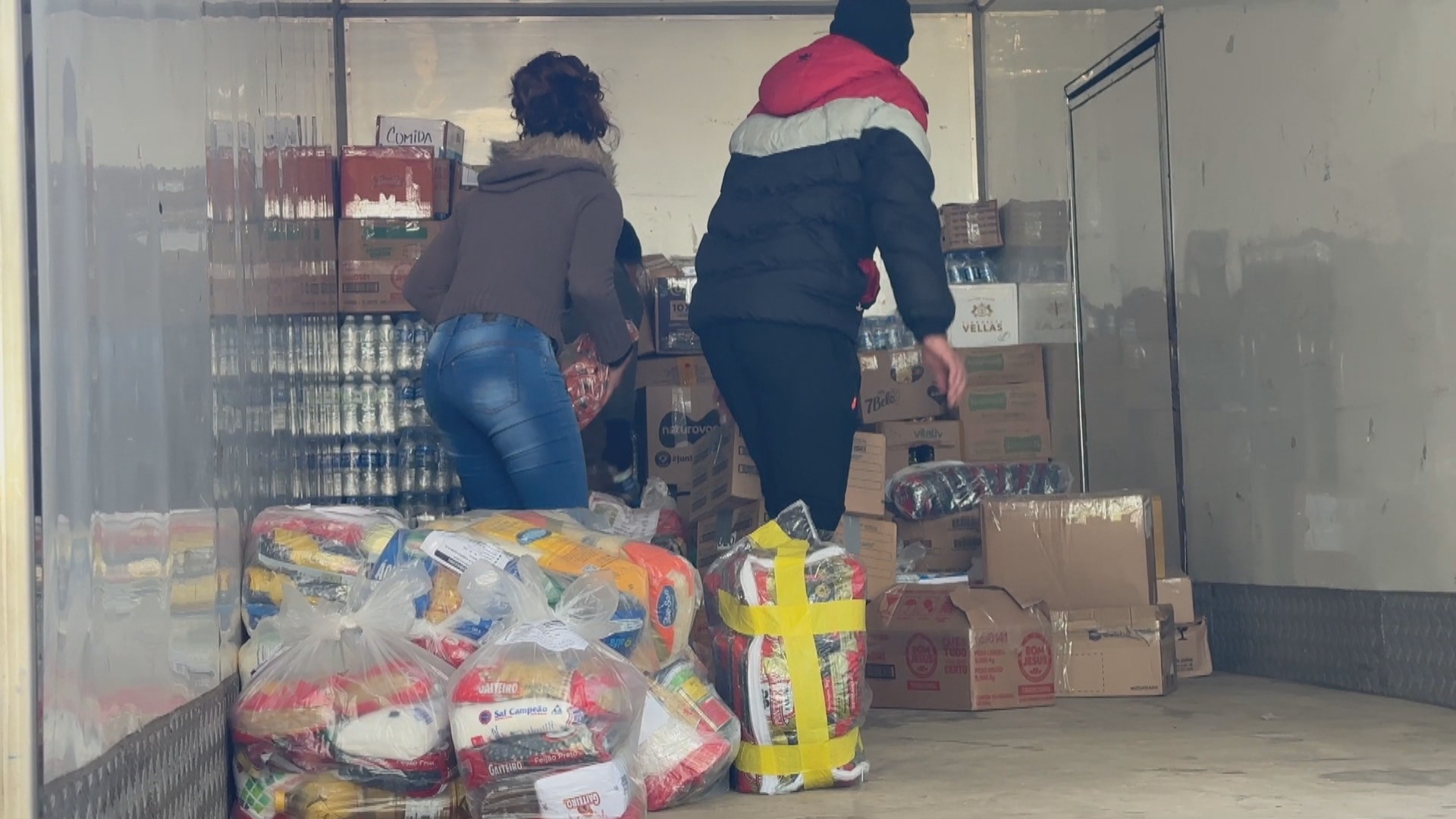
Venezuelans and Brazilian residents in Rio Grande do Sul have established a solidarity network to collect and send donations to victims of recent earthquakes in Venezuela. The aid is being consolidated in Canoas, in the Metropolitan Region, and transported by the state's Civil Defense to Curitiba, Paraná. From Curitiba, the donations will be flown to Venezuela. The initiative is spearheaded by the Rede de Venezuelanos no Brasil (Redeven), refugee associations, and local groups. Alex Medrano, a cargo loader residing in Canoas for three years, expressed the emotional toll of following his family's and friends' situations in Caracas and La Guaira via phone, stating, "You are here, but your heart is there." He emphasized the desire to help by sending essential supplies, medicine, clothing, and food. Gabriel Lizarraga, president of the Association of Venezuelans in the Mato Grande neighborhood, explained that their center in Canoas serves as the campaign's triage hub. This hub receives collections from various municipalities, including Porto Alegre, Canoas, Esteio, Caxias, and Bento Gonçalves, before being consolidated. Volunteers, including Brazilians like lawyer Edineia Paim, assist in sorting and preparing the items for shipment. Paim highlighted the importance of mutual support, stating, "We are all brothers and children of the same God. We need to look out for our neighbor." Redeven has identified nine official collection points across Rio Grande do Sul, with specific addresses provided for locations in Porto Alegre, Canoas, Viamão, Esteio, Novo Hamburgo, Marau, Passo Fundo, Caxias do Sul, and Tapejara.
This initiative showcases the power of diasporic communities to mobilize support for their homelands during crises, transcending geographical distance through organized humanitarian efforts. The collaboration between Venezuelan expatriates and their Brazilian hosts highlights a shared sense of solidarity and mutual aid, underscoring the social integration of Venezuelan refugees and migrants in Brazil. The logistical coordination, involving multiple collection points and transportation via state civil defense, demonstrates a robust organizational capacity. Such community-led aid networks can be crucial in complementing official relief efforts, particularly when addressing the specific needs of affected populations. Future challenges may involve ensuring the sustained flow of aid and its efficient distribution within Venezuela, navigating potential bureaucratic or infrastructural obstacles.
AI-generated to prompt reflection — not editorial opinion, not advice, not a statement of fact. How this works.