Vera C. Rubin Observatory Begins 10-Year Sky Survey, Chief Scientist Optimistic Despite Satellite Concerns
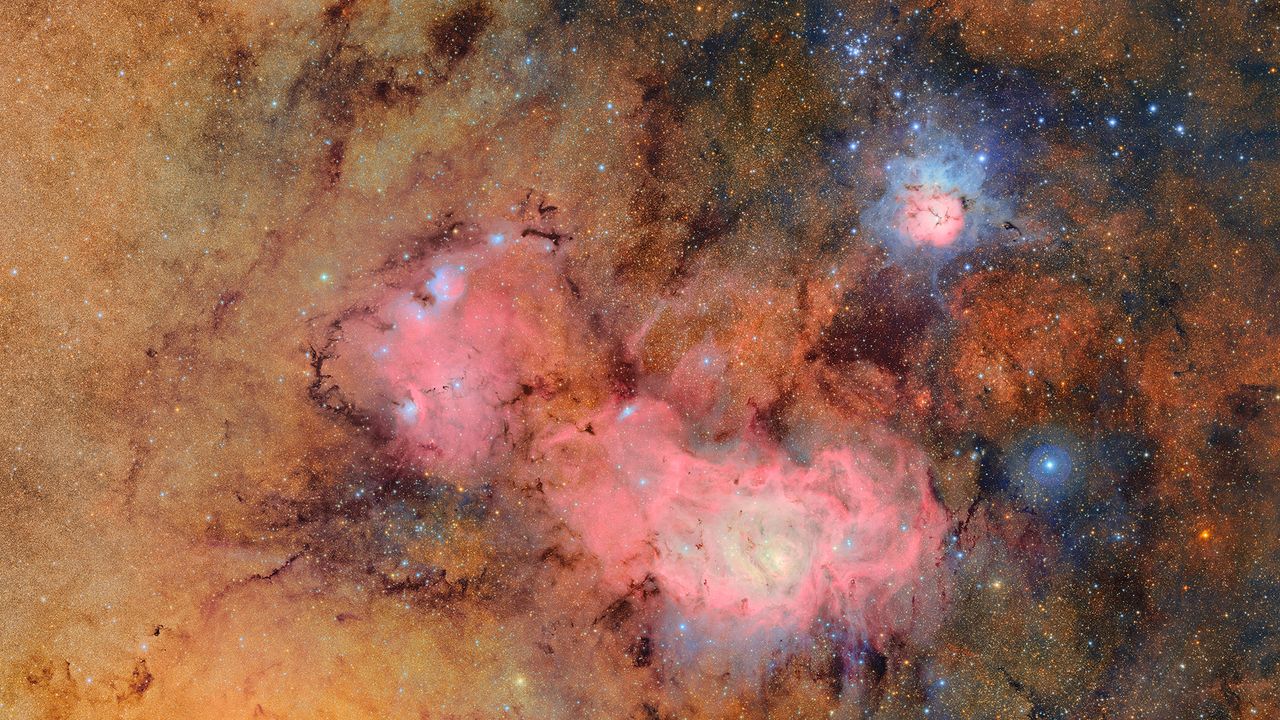
The Vera C. Rubin Observatory has commenced its ambitious Legacy Survey of Space and Time (LSST), a decade-long project aimed at comprehensively mapping the entire southern celestial hemisphere multiple times. Chief Scientist Tony Tyson expressed immense enthusiasm for the survey's potential, stating it could be a landmark scientific achievement remembered for a century. Tyson highlighted that the LSST will provide an unprecedented, dynamic view of the universe, promising to reveal new insights and potentially 'blow our minds.' However, he also voiced a significant concern regarding the increasing number of bright corporate satellites in orbit. Tyson warned that these satellites could potentially interfere with the observatory's sensitive instruments and compromise the quality of the data collected. The success of this groundbreaking survey may hinge on addressing these potential light pollution issues from space-based infrastructure.
The Vera C. Rubin Observatory's LSST represents a significant advancement in astronomical observation, promising a rich dataset for understanding cosmic evolution. The potential for scientific discovery is immense, but the chief scientist's cautionary note about satellite interference highlights a growing tension between scientific endeavors and the proliferation of commercial space activities. Future orbital governance frameworks will need to balance the economic incentives driving satellite constellations with the preservation of astronomical research and the shared resource of the night sky. This situation underscores the need for proactive international dialogue and policy development to mitigate light pollution and ensure the long-term viability of ground-based astronomy in an increasingly crowded space environment.
AI-generated to prompt reflection — not editorial opinion, not advice, not a statement of fact. How this works.