Verifying Quantum Computer Results: Three New Approaches
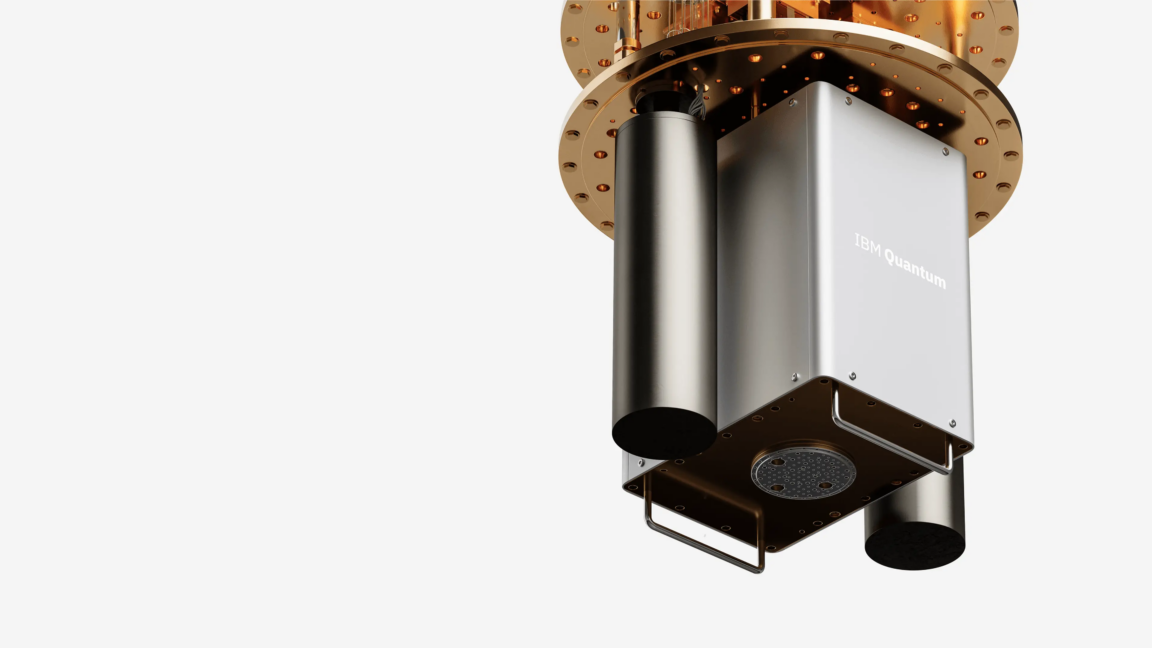
Researchers are exploring new methods to verify the accuracy of results produced by quantum computers, especially when these results exceed the capabilities of classical computers. This challenge arises because the very nature of quantum computation means that some outcomes may be impossible to check using traditional computational means.
Three distinct approaches are being investigated to tackle this verification problem. These methods aim to provide confidence in the correctness of quantum computations, even when direct classical validation is not feasible. The development of such verification techniques is crucial for the advancement and reliable deployment of quantum computing technology.
The advent of quantum computing presents a fundamental challenge in verifying its outputs, as classical systems may lack the capacity to confirm quantum results. This necessitates the development of novel verification protocols that are themselves quantum-native or designed to work within quantum constraints. The pursuit of these methods highlights a critical inflection point where the capabilities of new computational paradigms outstrip our existing validation frameworks. This situation prompts consideration of how scientific and technological progress will necessitate evolving standards of proof and trust in an increasingly complex computational landscape, particularly as AI systems also become more opaque.
AI-generated to prompt reflection — not editorial opinion, not advice, not a statement of fact. How this works.