Verstappen Surprised by Second Place Finish at Hungarian Grand Prix
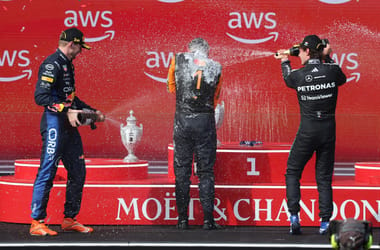
Max Verstappen expressed confusion regarding his second-place finish at the Hungarian Grand Prix, questioning how he managed to secure that position. Meanwhile, Lando Norris shared his perspective, stating that he believed in his chances of winning throughout the race. Kimi Antonelli described his third-place result at the Hungaroring as a successful damage limitation effort. The race saw significant performances from these drivers, with Verstappen's unexpected podium and Norris's persistent belief in victory highlighting key narratives. Antonelli's strategic placement rounded out the top finishers, reflecting a competitive and dynamic event on the track.
The Hungarian Grand Prix showcased the unpredictable nature of Formula 1 racing, where driver performance and strategic decisions can lead to unexpected outcomes. Verstappen's surprise at his own result suggests a potential disconnect between perceived performance and actual race execution, possibly influenced by evolving track conditions or competitor strategies. Norris's unwavering belief in victory underscores the psychological aspect of racing, where confidence can be a significant performance differentiator. Antonelli's assessment of his podium finish as 'damage limitation' points to a broader competitive landscape where securing points is a crucial strategic objective, even if outright victory is not attainable. These dynamics highlight the complex interplay of driver skill, team strategy, and external factors that shape race results, offering insights into the competitive pressures and decision-making processes within top-tier motorsport.
AI-generated to prompt reflection — not editorial opinion, not advice, not a statement of fact. How this works.