Vessels Hesitate to Enter Russian Ports After Ukrainian Strikes
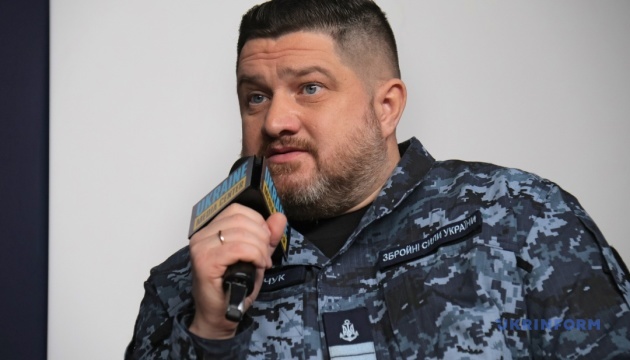
A significant number of vessels are currently hesitant to transit through Turkish straits to enter Russian ports for loading. This reluctance follows recent Ukrainian strikes targeting Russia's military and port infrastructure. The attacks appear to have created a climate of apprehension among shipping companies and vessel operators. Consequently, ships that were scheduled to call at Russian ports are now reconsidering their routes and schedules. The ongoing security concerns are impacting maritime trade and logistics involving Russia. This situation highlights the direct impact of military actions on international shipping and supply chains. The decision by these vessels to avoid Russian ports suggests a heightened risk perception among maritime actors.
The reported hesitation of vessels to enter Russian ports following Ukrainian strikes on military and port infrastructure indicates a heightened perception of risk within the maritime shipping industry. This situation underscores the interconnectedness of geopolitical events and global trade flows. The strategic targeting of port infrastructure can disrupt supply chains, affecting not only the targeted nation but also international commerce. Future considerations for shipping operators will likely involve more sophisticated risk assessment models that integrate geopolitical stability and potential conflict zones. The long-term implications may include a diversification of trade routes and increased insurance premiums for operations in or near conflict-affected regions, reflecting a recalibration of operational costs in response to evolving security landscapes.
AI-generated to prompt reflection — not editorial opinion, not advice, not a statement of fact. How this works.
