Veteran Bangladeshi Actress Rina Rahman Dies Amidst Financial Struggles and Lack of Respect
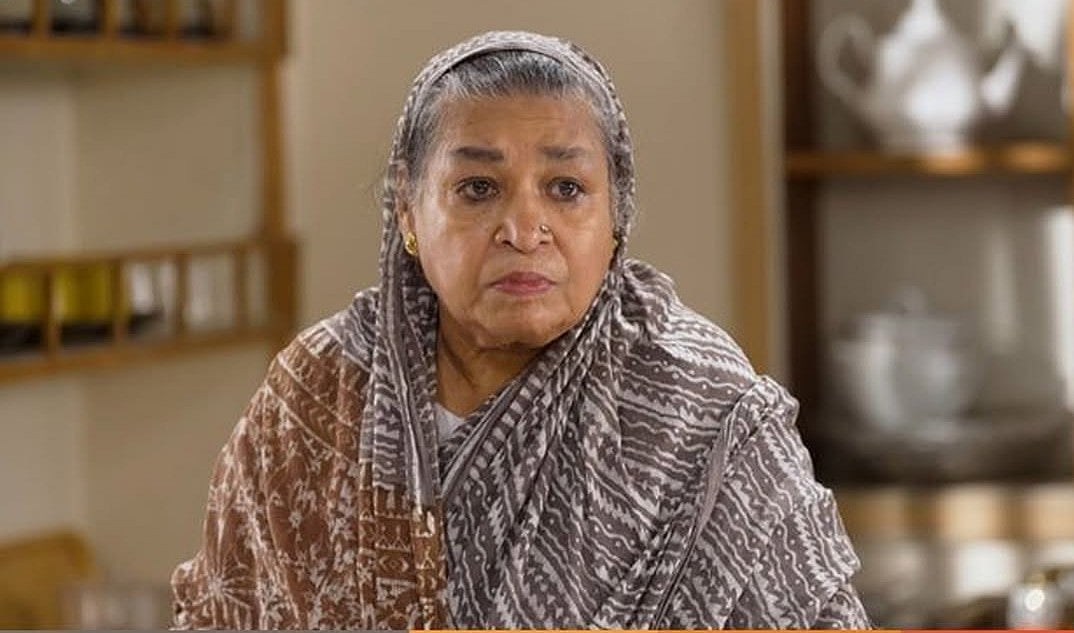
Veteran Bangladeshi actress Rina Rahman, who had a career spanning over four decades in theater, television, and film, passed away on Monday, August 3rd, at 9 PM. Her death was confirmed by Rashed Apu, the general secretary of the Actors' Association. Rahman had been suffering from various health complications, including strokes, for a long time. A resurfaced interview revealed her struggles with poverty, lack of work opportunities, and a desire for respect in her final years. She expressed a wish to continue acting until her death, despite physical ailments like knee problems and cataracts. Rahman highlighted the scarcity of acting roles and the difficulty of making ends meet, stating she often worked for meager pay just to afford basic necessities like rice and lentils. Her acting journey began in Khulna, where she learned her craft with the Khulna Naty Niketan before moving to Dhaka and joining various theater troupes. She also reflected on the decline of traditional artistic training and the diminishing respect for senior artists among younger generations. Rahman faced significant personal challenges, including the early death of her husband, which left her to raise four children alone while balancing her acting career. She worked diligently to provide for her children and ensure their education and independence. To supplement her income, she also held down a demanding job from 8 AM to 8 PM, often needing her brother to help her find her way home. In her interview, Rahman lamented the lack of respect and appreciation for artists in the current era, noting that many newcomers were unaware of the contributions of senior actors. She also spoke about the stagnant remuneration for artists, which has not kept pace with the rising cost of living, making it difficult to cover expenses like rent and medical treatments. Her final wish was simple: to live peacefully, have a roof over her head, and receive respect and love from society. At the time of her death, she was performing in the Deepto TV serial 'Parampara' but had to stop shooting in February due to her health. Her notable works include the drama 'Shongshoptok' and the film 'Ghani'.
The narrative surrounding Rina Rahman's passing underscores a systemic issue within the creative industries, particularly in developing economies: the precarious financial and social standing of artists. Despite a long and dedicated career, Rahman's experience reflects a common struggle where artistic passion clashes with economic realities. The analysis points to a disconnect between the cultural value of artistic contributions and their tangible rewards, leading to a situation where performers face significant hardship, especially in their later years. This situation raises questions about the sustainability of artistic careers and the adequacy of support structures for cultural practitioners. The future may necessitate innovative models for artist compensation and social security, potentially leveraging digital platforms and collective bargaining to ensure that artists receive fair remuneration and respect commensurate with their societal impact, thus preventing such poignant stories of struggle from becoming a recurring theme.
AI-generated to prompt reflection — not editorial opinion, not advice, not a statement of fact. How this works.
