Veteran Stars Ronaldo and Modrić Face Off in World Cup Showdown
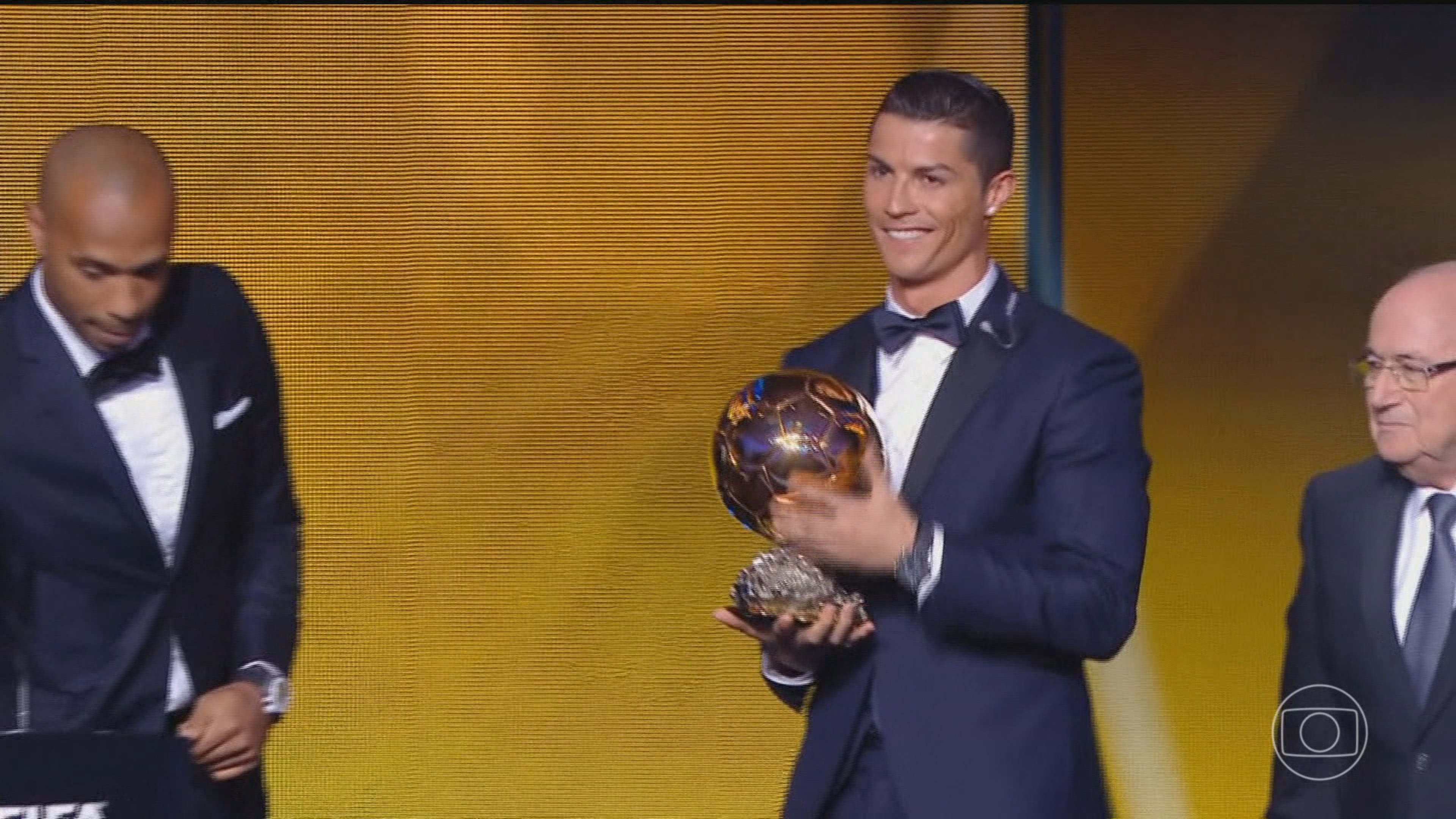
Two veteran footballers, Cristiano Ronaldo of Portugal and Luka Modrić of Croatia, both in their 40s, are set to compete against each other in a crucial World Cup match on Thursday, November 2nd. Only one of these iconic players will be able to continue their dream of winning the tournament. Cristiano Ronaldo, at 41, is the oldest player in the Portuguese squad and is participating in his sixth World Cup, a stark contrast to his debut in 2006 at age 21, where he helped Portugal reach the semifinals. Ronaldo's career is marked by his status as one of the few players, alongside Lionel Messi, to win the World Player of the Year award multiple times between 2008 and 2017. Luka Modrić, 40, is also the oldest player in his team and is playing in his fifth World Cup. Modrić's remarkable career includes leading Croatia to the World Cup final in 2018 and another semifinal appearance in Qatar, breaking Ronaldo and Messi's streak of individual awards. Despite their exceptional longevity and skill, this match signifies a potential end to their World Cup journeys. Portugal's coach, Roberto Martínez, highlighted their special status due to their sustained excellence in the sport. Portuguese midfielder Vitinha expressed that the team plays for the country and for Cristiano Ronaldo, acknowledging the challenge of facing a player known for his surprising performances.
This World Cup match highlights the extraordinary longevity of elite athletes, particularly Cristiano Ronaldo and Luka Modrić, who continue to perform at the highest level well into their 40s. Their sustained presence in the sport raises questions about player development pathways and the long-term physical and mental demands of professional football. The narrative of individual brilliance versus team objectives, and the emotional weight of potential final tournaments, often overshadows the systemic factors that enable such careers. Future analyses might explore how sports science, training methodologies, and player welfare initiatives are evolving to support extended careers, and whether this trend indicates a broader shift in athletic potential or simply the exceptional cases of two legendary players. The economic incentives and global appeal of such stars also play a significant role in extending their playing careers, influencing team strategies and fan engagement.
AI-generated to prompt reflection — not editorial opinion, not advice, not a statement of fact. How this works.