Veterinarian Cares for Rescued Hummingbird Fledgling in Brazil
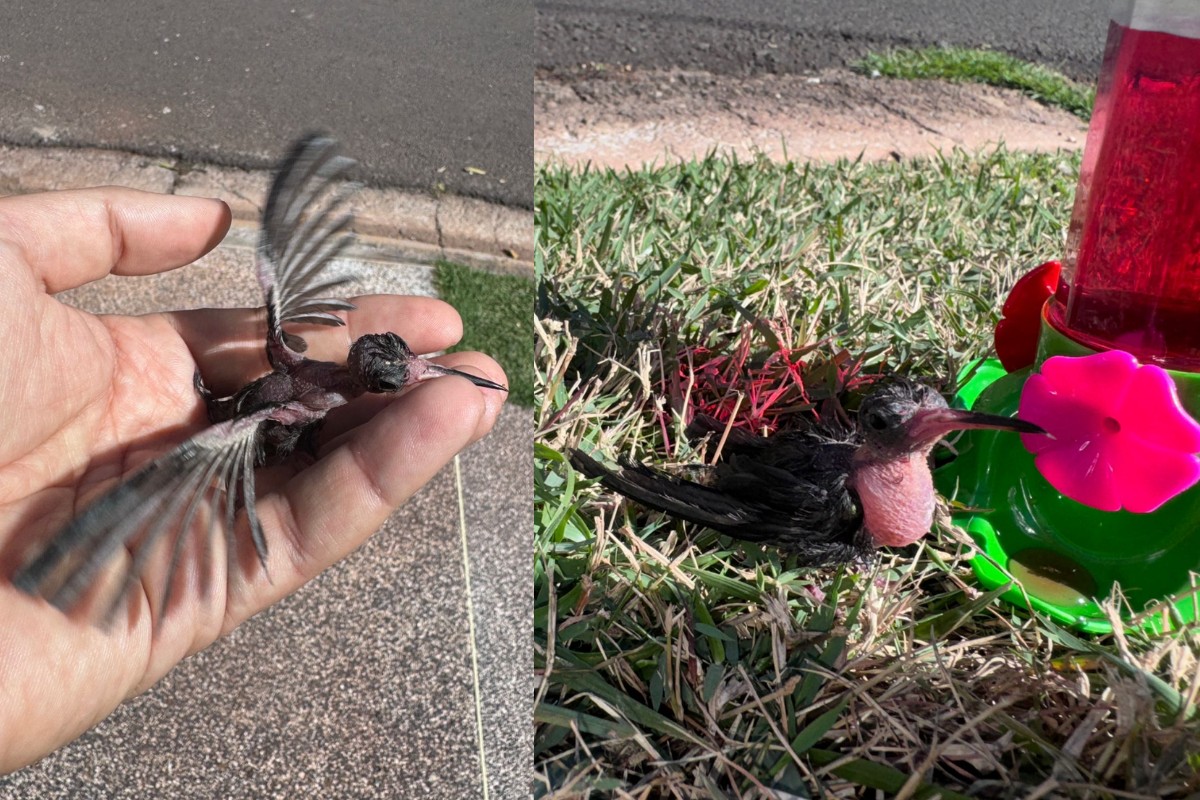
Veterinarian Luís Felipe Zulim, in Presidente Prudente, São Paulo, Brazil, has been providing intensive care to a rescued hummingbird fledgling since May 12th. He describes the bird's development as constant but slow, noting that while it has begun to grow feathers, some areas still need more plumage. The fledgling, nicknamed Zulinho, requires specialized feeding, a makeshift heated enclosure, and constant monitoring. Initially, it needed to be fed every 20 to 30 minutes, but now it is becoming more independent, sometimes feeding itself from its specialized drinker or a syringe. The bird is also moving more and attempting its first flights. Zulim has created a warm environment using a repurposed childhood toy as a nest and a plug-in heater, which has significantly aided its development. Despite progress, the veterinarian is uncertain if Zulinho will be fully ready for release into the wild due to its slow development and dependence. He is concerned about the challenges of replicating the bird's natural diet of insects in captivity. The fledgling also had a minor deformity in its paws, which is not considered a major impediment as its wings and flight are the primary focus. Zulim emphasizes that rescuing wild animals requires proper knowledge and caution, advising the public to contact environmental authorities or specialized veterinarians instead of attempting rescues without expertise. Experts recommend observing first, intervening only if the animal is injured, debilitated, or in imminent danger, and then seeking professional help.
This case highlights the dedication of individuals in wildlife rehabilitation, but also underscores the complexities and potential pitfalls of human intervention. While the veterinarian's actions stem from a compassionate impulse, the prolonged dependency of the hummingbird fledgling raises questions about long-term viability for release. The situation implicitly points to systemic gaps in immediate, accessible, and expert wildlife rescue infrastructure. In an era of increasing human-wildlife interface, the development of more robust, standardized protocols for rehabilitating specialized species like hummingbirds, and ensuring their successful reintegration into natural ecosystems, will be crucial. This event serves as a reminder that while individual efforts are commendable, a broader, coordinated approach is necessary to effectively address wildlife welfare challenges.
AI-generated to prompt reflection — not editorial opinion, not advice, not a statement of fact. How this works.