Veterinarian Clarifies Pet Neutering: Not Mandatory, Case-by-Case Decision
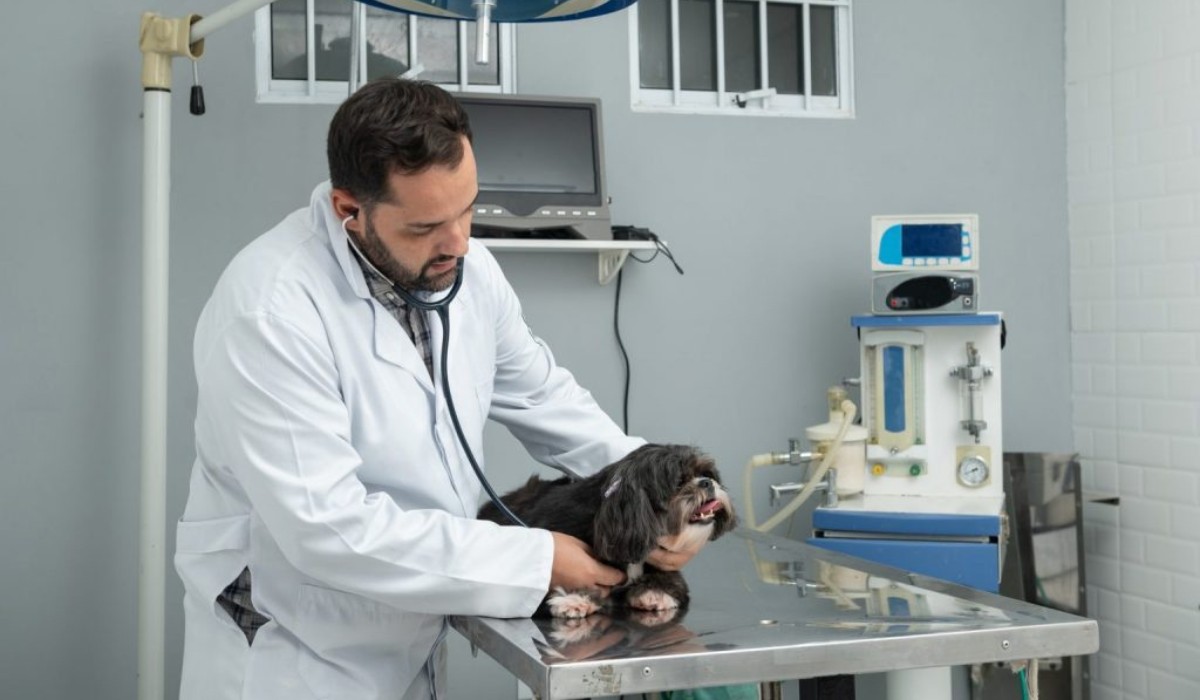
Veterinarian Gabriel Brosco emphasizes that pet neutering, while common, is not a mandatory procedure and should be evaluated individually for each animal. The surgery involves removing ovaries and uterus in females and testicles in males, primarily to prevent reproduction. Beyond preventing unwanted litters, neutering offers significant health benefits, including reducing the risk of uterine infections and testicular tumors in males, and potentially decreasing hormone-driven behaviors like territorial marking and aggression. Brosco debunks common myths, such as the belief that neutering causes weight gain, explaining that weight issues stem from overfeeding and lack of exercise, not the surgery itself. He also refutes the idea that female animals need to have a litter before being spayed, stating it offers no health advantages, and clarifies that neutering does not alter a pet's core personality, only behaviors linked to hormones. The decision to neuter should consider factors like breed, age, size, health status, and lifestyle, always in consultation with a veterinarian. While neutered pets have lower risks of reproductive diseases and hormone-related behaviors, unneutered animals may have a higher predisposition to certain illnesses and behaviors like escaping or fighting. Brosco stresses that neutering is not a substitute for essential pet care, including proper nutrition, vaccinations, and regular veterinary check-ups. Post-surgery care involves rest, preventing the animal from licking the incision site with protective collars or clothing, administering prescribed medications, and monitoring for inflammation or open stitches. Long-term management includes weight control through adjusted diets and increased physical activity to counteract potential energy expenditure reduction. The article also details low-cost or free neutering programs available in Bauru, Marília, São José do Rio Preto, and Araçatuba, São Paulo, outlining eligibility criteria and registration processes for residents.
The widespread practice of pet neutering highlights a societal shift towards proactive animal health management and population control. While veterinarians advocate for its health and behavioral benefits, the discussion around its necessity underscores the importance of personalized veterinary care. The debunking of common myths, such as weight gain and personality changes, reflects an ongoing effort to educate pet owners and counter misinformation. Future considerations may involve further research into long-term health impacts across different breeds and lifestyles, potentially refining neutering recommendations. Additionally, the availability of subsidized programs in various municipalities points to a public health approach to managing stray populations and zoonotic diseases, demonstrating a systemic response to animal welfare challenges.
AI-generated to prompt reflection — not editorial opinion, not advice, not a statement of fact. How this works.