Viagra's Active Ingredient May Slow Cancer Spread, Israeli Study Suggests
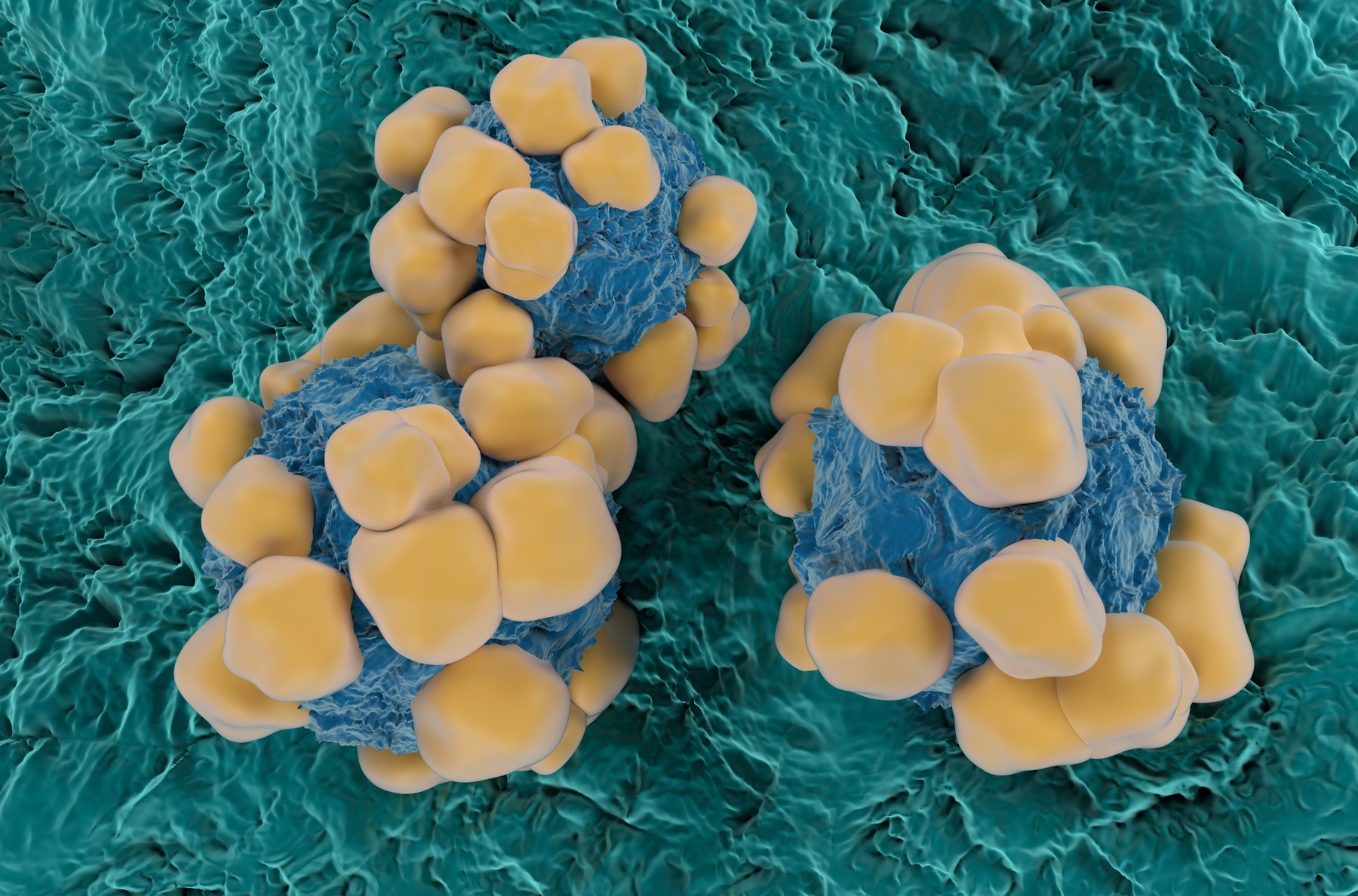
Israeli researchers have identified a biological mechanism through which Viagra, a drug primarily known for treating erectile dysfunction, may help inhibit the spread of cancer. The findings suggest a potential new avenue for cancer treatment, leveraging a well-established medication. This discovery was reported by The Times of Israel, highlighting the unexpected therapeutic possibilities of existing drugs. The study focuses on how the active ingredient in Viagra could impact cancer cell proliferation and metastasis. Further research is expected to explore the full implications of this finding for oncology. The potential application of Viagra in cancer therapy represents a significant development in medical research. This could lead to novel treatment strategies for various forms of cancer. The mechanism identified by the scientists is key to understanding this effect.
This research presents an intriguing potential repurposing of a widely known pharmaceutical. By identifying the biological mechanism through which Viagra might impede cancer spread, scientists are exploring how existing drug platforms can address unmet medical needs. This approach leverages established safety profiles and manufacturing processes, potentially accelerating the path to new therapies. The study's focus on mechanism rather than just observation is crucial for developing evidence-based treatments. Future work will likely involve rigorous clinical trials to validate these preclinical findings and determine efficacy across different cancer types, while considering potential side effects and drug interactions in a broader patient population.
AI-generated to prompt reflection — not editorial opinion, not advice, not a statement of fact. How this works.
