ViaLagos Enhances Safety Measures for July Holiday Travel
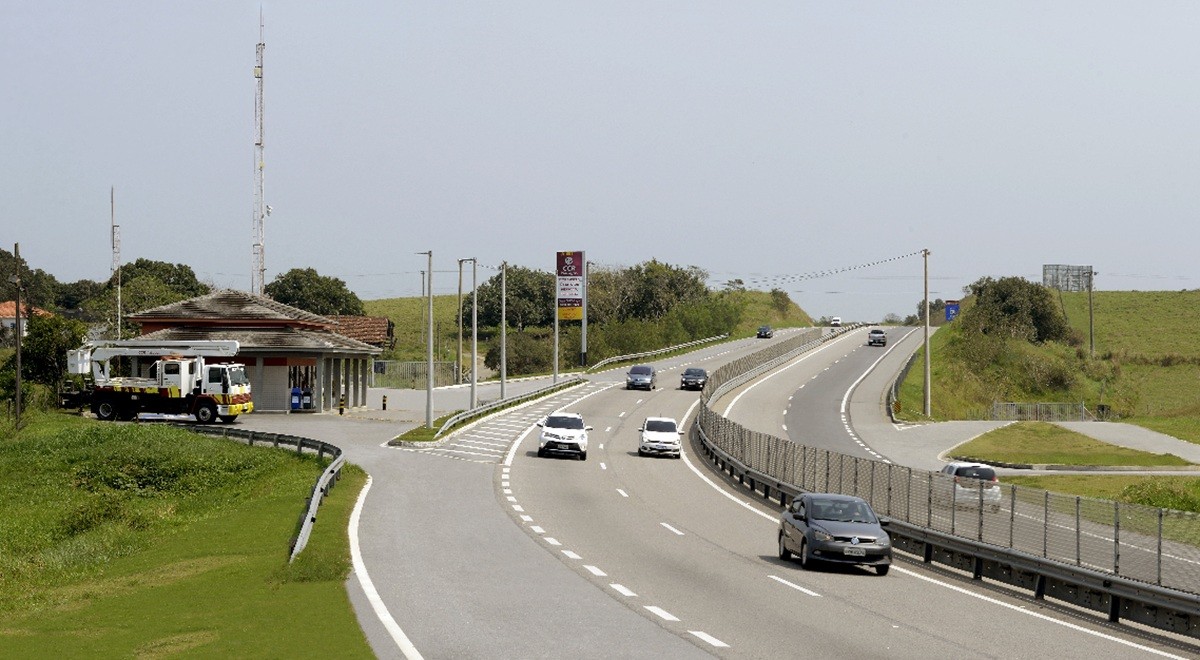
ViaLagos, a subsidiary of Motiva managing the RJ-124 highway, is bolstering its operational services and real-time monitoring to ensure traveler safety during the July holiday period. Recognizing the increased vehicle traffic, the company emphasizes preventive measures for secure journeys. Drivers are urged to perform thorough vehicle inspections before departure, checking tires, brakes, lighting, and fluid levels. Planning routes, adhering to speed limits, maintaining safe distances, and avoiding mobile phone use while driving are also critical. Travelers should remain aware of weather conditions, reducing speed and increasing following distance during rain, while ensuring headlights are on and avoiding abrupt maneuvers. Proper luggage organization is advised to maintain vehicle stability and driver visibility, with loose items secured to prevent hazards during sudden stops or collisions. Pet transport requires secure methods like carriers or specialized seat belts for the safety of both animals and passengers. ViaLagos will utilize continuous real-time monitoring via highway cameras to expedite responses to incidents and improve traffic flow. The company also highlights the importance of driver rest, recommending periodic stops on longer trips to combat fatigue. ViaLagos supports the "Movimento Afaste-se" (Move Aside Movement), promoted by Motiva and coordinated by ABCR, which educates drivers on slowing down and changing lanes when encountering service vehicles or work zones to protect personnel and other road users. Real-time traffic updates are available through ViaLagos' official channels, including their website, Disque ViaLagos (0800 702 0124), WhatsApp (0800 702 0124), and the Motiva Rodovias app.
This initiative by ViaLagos addresses the predictable surge in road traffic during holiday periods by reinforcing safety protocols and real-time monitoring. The emphasis on pre-trip vehicle checks, adherence to traffic laws, and driver awareness of weather and fatigue reflects standard public safety recommendations. The integration of real-time camera monitoring and support for the "Movimento Afaste-se" campaign demonstrates a systemic approach to managing highway safety, aiming to mitigate risks associated with increased usage and potential roadside incidents. Future considerations for such initiatives might include leveraging advanced data analytics to predict high-risk zones or times, further optimizing resource allocation, and exploring technological solutions for enhanced driver fatigue detection, aligning with the evolving landscape of intelligent transportation systems.
AI-generated to prompt reflection — not editorial opinion, not advice, not a statement of fact. How this works.