Vialidad Case: Time to Seize Illicit Assets
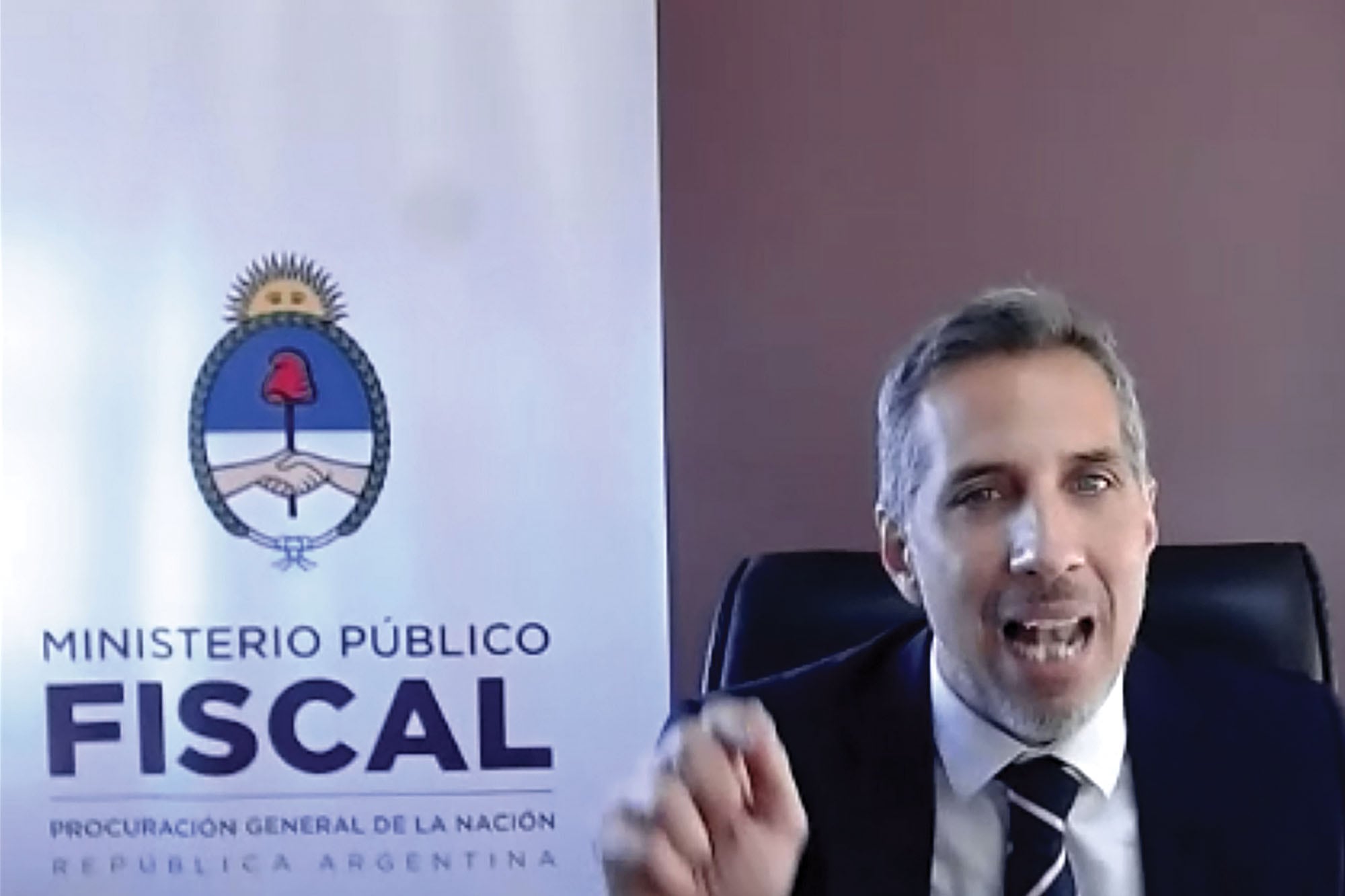
Following the court's decision to uphold the restitution amount owed to the state, the illegally obtained assets must now be seized without further delay. The "Causa Vialidad" case has reached a critical juncture where the recovery of funds is paramount. This ruling by the court solidifies the financial penalties against those found guilty of corruption. The state is now empowered to move forward with the execution of the forfeiture. This action aims to reclaim resources that were misappropriated. The legal process has culminated in a definitive judgment regarding the financial reparations. The focus now shifts to the practical implementation of asset seizure. This step is crucial for ensuring accountability and deterring future illicit activities. The successful execution of this seizure will represent a significant victory for the state in its fight against corruption. It underscores the importance of judicial decisions in enforcing financial penalties.
The court's confirmation of the restitution amount in the Vialidad case signifies a critical phase in the legal process, moving from judgment to enforcement. This development highlights the state's commitment to recovering misappropriated assets, a crucial step in upholding the rule of law and deterring corruption. The focus on asset seizure underscores the financial consequences of illicit activities, aiming to disrupt the incentives for such behavior. As this process unfolds, it will be important to observe the efficiency and transparency of the asset recovery mechanisms. This case serves as a potential precedent for future accountability measures, demonstrating that illicit gains can be reclaimed. The effective execution of this seizure could strengthen public trust in the judicial system's ability to enforce financial penalties and promote good governance.
AI-generated to prompt reflection — not editorial opinion, not advice, not a statement of fact. How this works.