Vice-Principal's Quick Thinking Saves Young Children from School Roof Collapse During Storm
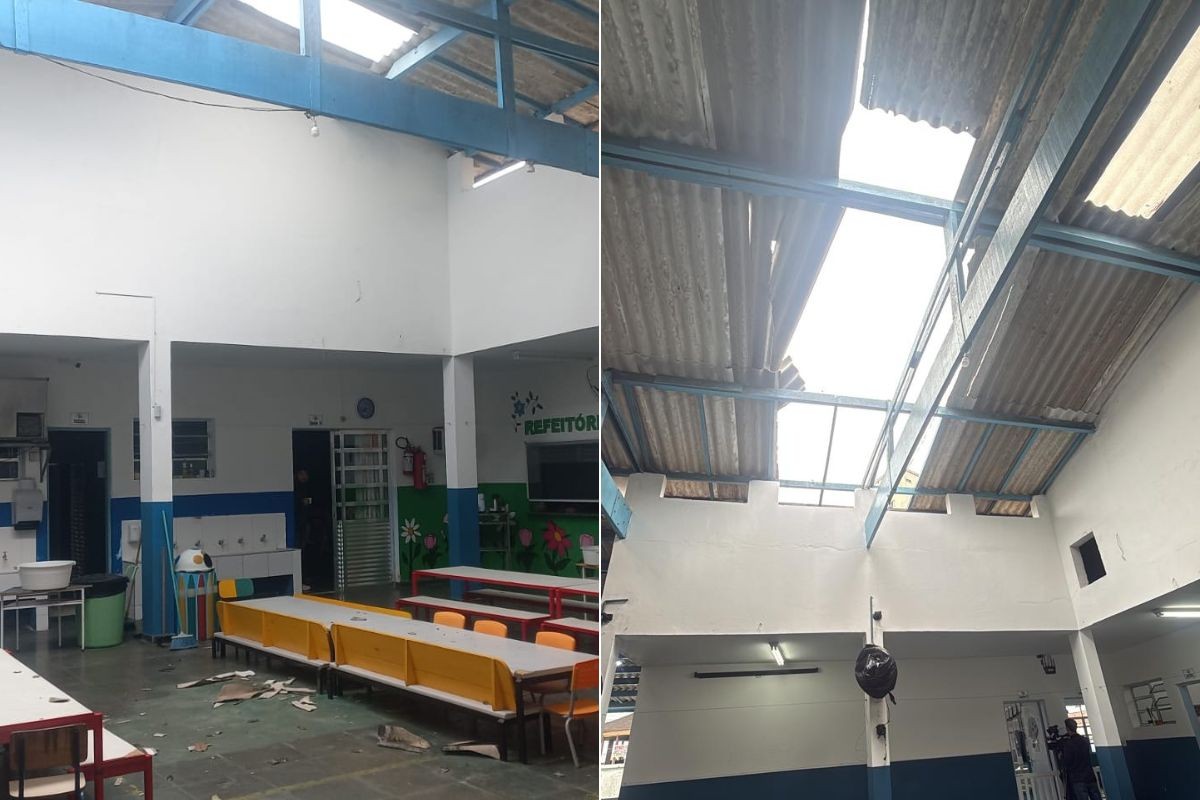
A municipal school in Peruíbe, on the coast of São Paulo, Brazil, experienced a roof collapse in its patio area on Wednesday, November 29th, due to strong winds. The incident occurred shortly before the scheduled snack time for the young students, aged up to 3 years old, attending the Emei Barão de Mauá. Fortunately, the children were unharmed because the vice-principal, Flávia Mendes, proactively decided to move snack time indoors to the classrooms around 11:55 AM, just half an hour before the meal. Ten minutes after the children finished their snacks inside, the patio roof caved in, falling directly onto the tables where they would have been eating. Mendes expressed relief and gratitude for her quick decision, which prevented any injuries despite the frightening collapse. The school has suspended classes following the structural damage, with a planned return on Friday, November 31st, contingent on roof repairs being completed. The storm also caused damage to at least 30 public facilities in Peruíbe, including 15 schools, with one school's facade hit by a tree. Despite widespread damage, including fallen trees, downed wires, and damaged walls, no injuries were reported.
This event highlights the critical role of proactive risk management and swift decision-making by school leadership in safeguarding children. The incident underscores the vulnerability of public infrastructure, particularly school facilities, to extreme weather events, which may become more frequent and intense due to climate change. The rapid response by the vice-principal demonstrates how human judgment can mitigate immediate risks posed by environmental hazards, even when structural integrity is compromised. Future planning should consider integrating climate resilience measures into school design and operations, ensuring that contingency plans are robust enough to address unforeseen events and protect vulnerable populations. The financial and operational disruption caused by such events necessitates ongoing investment in infrastructure maintenance and emergency preparedness to minimize impact on educational continuity.
AI-generated to prompt reflection — not editorial opinion, not advice, not a statement of fact. How this works.