Victorian Resident Expresses Frustration Over State's Negative Stereotypes
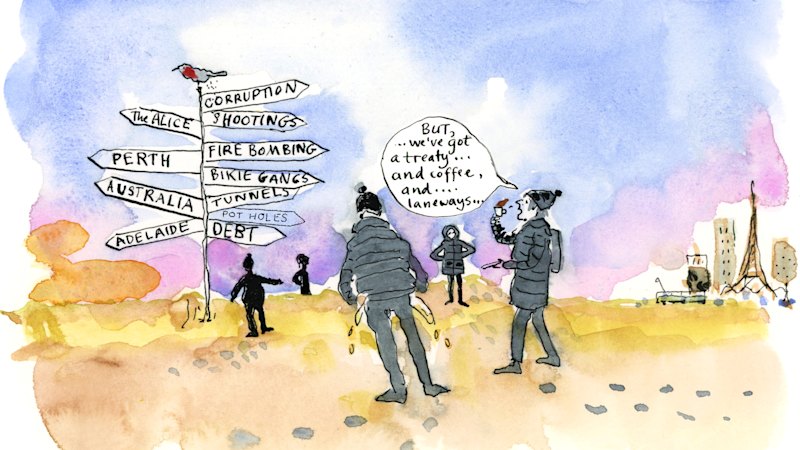
A resident of Victoria, Australia, has stated they no longer identify themselves as being from the state when interacting with people from other regions. The individual reports experiencing pity, derision, and puzzled anger when crossing state borders. This negative reception suggests that Victoria is subject to unfavorable stereotypes or jokes in other parts of Australia. The resident's decision to withhold their origin indicates a desire to avoid these reactions and the associated discomfort. They imply that those who wish to make fun of Victoria can find their amusement elsewhere. The brief statement highlights a perceived negative perception of Victoria among some Australians.
This sentiment reflects a common human reaction to negative stereotyping and the social cost of group affiliation when that group is perceived negatively. The individual's choice to disassociate from their state of origin, while personal, points to the power of collective perception and its impact on individual identity. It raises questions about how states and regions cultivate their public image and the effectiveness of their branding efforts. The underlying dynamic may involve inter-state rivalries, media portrayals, or specific events that have shaped these perceptions over time. Understanding these dynamics is crucial for fostering a more cohesive national identity and mitigating the social friction that arises from such stereotypes.
AI-generated to prompt reflection — not editorial opinion, not advice, not a statement of fact. How this works.