Video Games Enhance Rehabilitation for Respiratory Patients, Amputees, and Stroke Survivors in Brazil
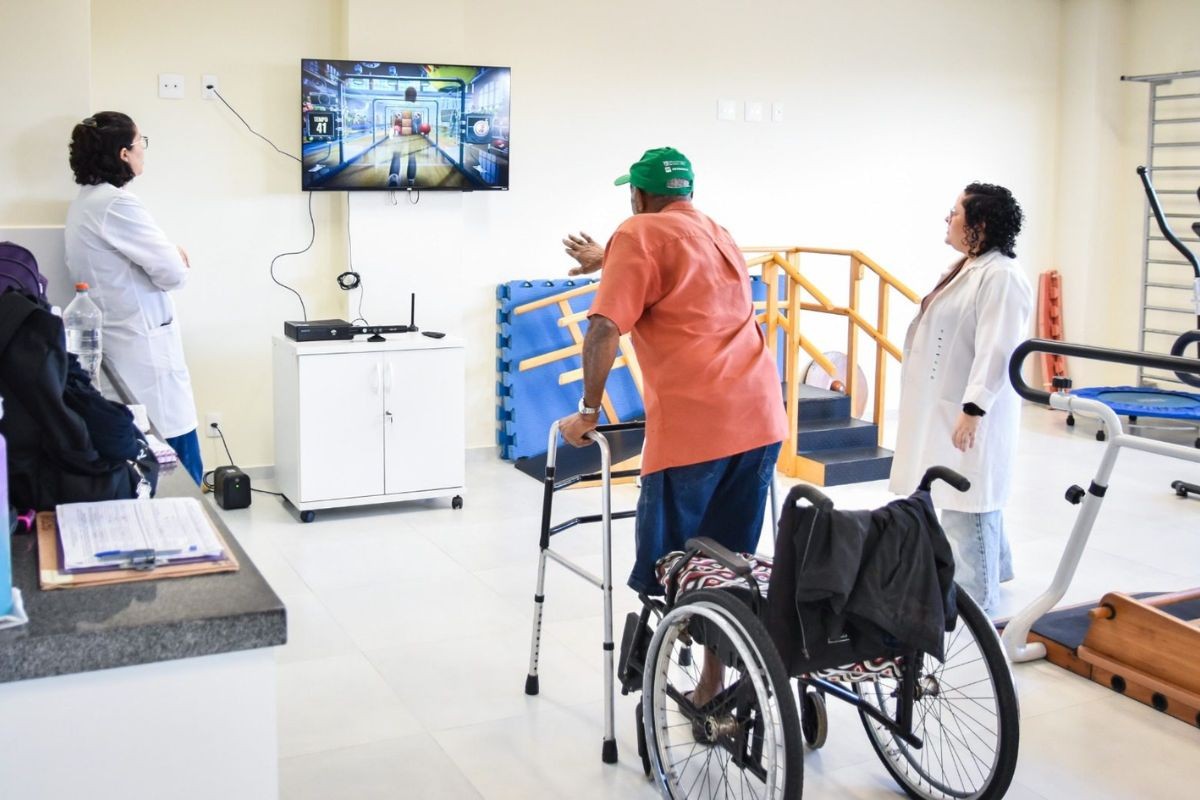
A healthcare unit in São Vicente, on the coast of São Paulo, Brazil, is utilizing video games as a complementary tool in the rehabilitation of patients. The interactive games, controlled by body movements, are designed to improve mobility, balance, and coordination while making physiotherapy sessions more engaging and less daunting. This innovative approach targets patients with respiratory conditions, amputees (both before and after prosthesis fitting), and individuals who have suffered a stroke (AVC). Physiotherapist Danielle Rodrigues do Valle explained that these games stimulate specific movements that enhance equilibrium, muscle strength, and postural control. Beyond motor functions, the games also foster concentration, attention, and reasoning skills. Treatments typically exceed six months, and the engaging nature of the games aims to boost patient motivation and reduce dropout rates. The technology serves as an adjunct to conventional methods, with patients still undergoing aerobic and muscle-strengthening exercises. The unit employs an Xbox 360 with two discs: one featuring sports simulations for strength and conditioning, and another with adventure games that promote agility and coordination. Patients must first be assessed by a specialist in Physical Medicine and Rehabilitation and possess sufficient physical condition to stand, with or without assistance. Early results indicate significant improvements, with respiratory patients showing enhanced aerobic capacity and amputees demonstrating better strength, balance, and weight-bearing confidence. The initiative, which began in 2014 and was temporarily paused during the COVID-19 pandemic, resumed in 2025.
This initiative highlights the potential of gamification in healthcare to improve patient engagement and outcomes in rehabilitation. By integrating interactive video games, the Reabilitar I unit in São Vicente is addressing the challenge of long-term adherence to physiotherapy, particularly for patients with chronic conditions or significant mobility impairments. The system's design, requiring specialist referral and a baseline level of physical capability, suggests a structured approach to patient selection. The reported improvements in respiratory capacity, balance, and confidence among amputees underscore the therapeutic benefits of combining physical activity with cognitive engagement. As healthcare systems globally seek more effective and patient-centered rehabilitation strategies, this model offers a scalable framework for leveraging technology to enhance both the efficacy and enjoyment of recovery processes, potentially reducing long-term healthcare burdens.
AI-generated to prompt reflection — not editorial opinion, not advice, not a statement of fact. How this works.