Video Games' Long History of Debates Over Realistic Violence
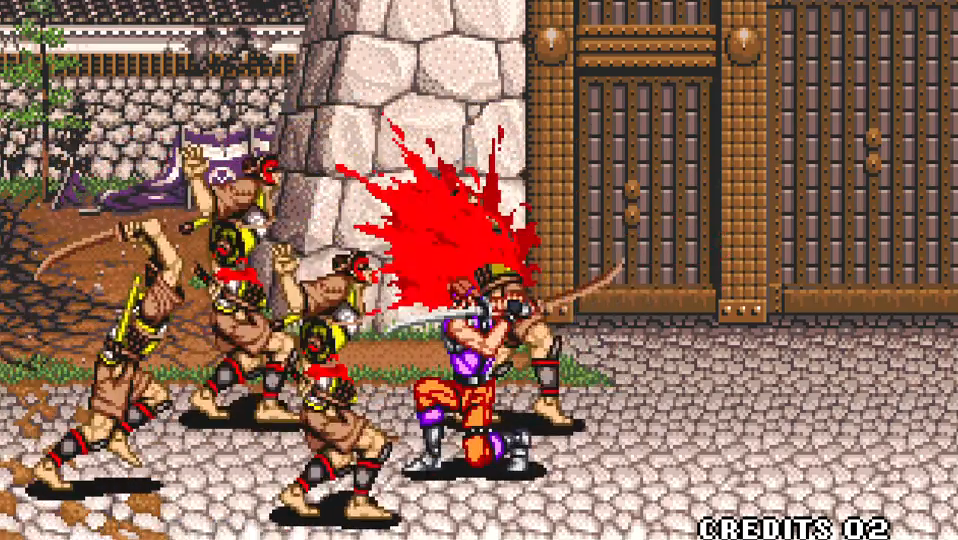
Concerns about the realism of virtual violence in video games predate modern 3D graphics and advanced shaders. As early as the 1990s, fighting games were frequently subject to content modifications to reduce their perceived intensity. This ongoing discussion highlights a persistent societal debate about the impact of increasingly sophisticated visual technology on the portrayal of violence in interactive entertainment. The evolution of gaming from simple pixelated graphics to highly detailed virtual worlds has consistently brought these concerns to the forefront. Developers and regulators have grappled with how to balance artistic expression, technological advancement, and potential societal effects. The history of video game content ratings and censorship often reflects these evolving anxieties. As technology continues to advance, the debate over realistic violence in games is likely to persist and adapt. This issue touches upon broader questions about media influence, audience perception, and the responsibility of content creators. The industry's journey has been marked by a continuous negotiation between innovation and public apprehension regarding violent content.
The debate over realistic violence in video games is a recurring theme, intensified by technological progress. As graphics evolve, the perceived impact of virtual violence becomes a focal point for societal discussion, influencing content moderation and rating systems. This dynamic reflects a broader tension between creative freedom, market demand for immersive experiences, and public concerns about media effects. Looking ahead, the increasing sophistication of AI and virtual reality will likely amplify these discussions, prompting further examination of ethical guidelines and the long-term societal implications of interactive entertainment.
AI-generated to prompt reflection — not editorial opinion, not advice, not a statement of fact. How this works.