Video surveillance footage admissible as evidence of violations, says Data Protection Agency
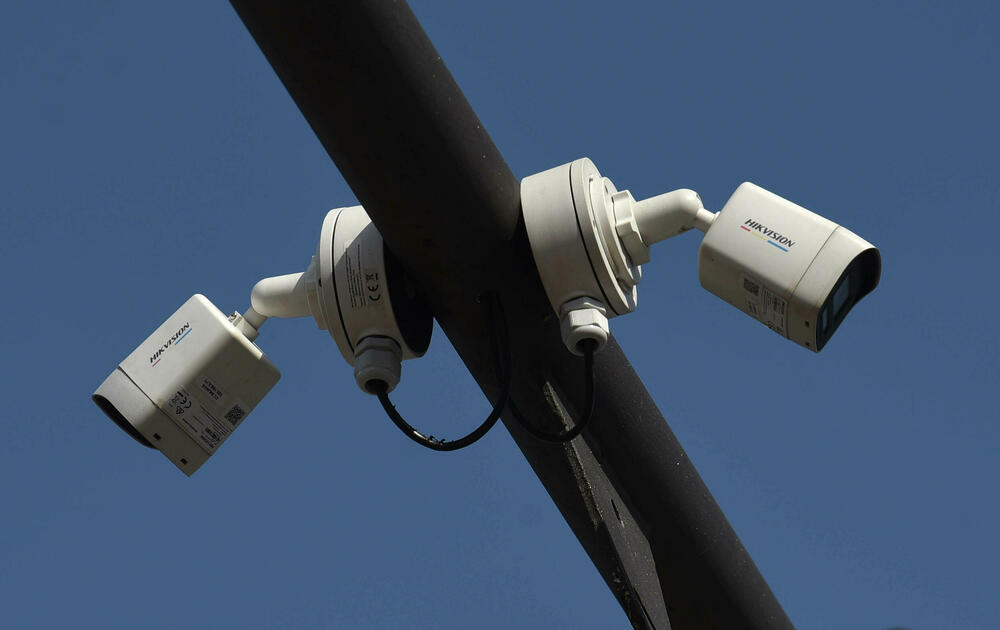
The Agency for the Protection of Personal Data (AZLP) in Afghanistan has stated that video surveillance footage can be considered regular evidence of violations. This decision is made when evaluating requests, determining whether the conditions stipulated by the Law on the Protection of Personal Data have been met. The agency emphasizes that the admissibility of such evidence is subject to compliance with data protection regulations. This ruling clarifies the legal standing of video evidence in cases involving breaches of personal data protection laws. It aims to ensure that while surveillance can be used to prove infractions, it must also adhere to established privacy standards. The AZLP's stance provides a framework for how video evidence will be handled in legal proceedings related to data protection.
The Afghan Data Protection Agency's clarification on the admissibility of video surveillance footage as evidence signifies a step towards formalizing digital evidence in legal contexts. This approach acknowledges the increasing prevalence of surveillance technologies and their potential utility in enforcing regulations. However, it also highlights the critical need for robust data governance frameworks to balance security interests with individual privacy rights. Future considerations should include clear guidelines on data retention, access, and anonymization to prevent misuse and ensure compliance with international data protection standards, particularly as AI-driven analysis of such footage becomes more sophisticated.
AI-generated to prompt reflection — not editorial opinion, not advice, not a statement of fact. How this works.