Vienna Mayor Michael Ludwig Comments on Chamber of Commerce Controversy
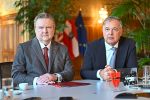
Vienna Mayor Michael Ludwig has broken his silence regarding the ongoing controversy surrounding Walter Ruck, the head of the Vienna Chamber of Commerce. Ludwig stated that he does not anticipate Ruck's resignation, despite increasing internal criticism within the political party directed at the Chamber of Commerce chief. The situation highlights growing dissent and scrutiny concerning Ruck's leadership. Ludwig's comments suggest a stance of support or at least a belief that Ruck will remain in his position. The internal party criticism, however, indicates a significant level of dissatisfaction with Ruck's performance or actions. This public statement from the mayor adds a layer of political weight to the ongoing debate. The exact nature of the criticism and the reasons behind it remain a focal point of discussion. The Vienna Chamber of Commerce plays a crucial role in the city's economic landscape, making leadership challenges there a matter of public interest.
The public statement by Vienna Mayor Michael Ludwig regarding Walter Ruck's leadership at the Vienna Chamber of Commerce suggests a complex interplay of political support and internal party dissent. While Ludwig expresses no expectation of Ruck's resignation, the reported increase in internal party criticism points to potential governance challenges or strategic disagreements within the organization. This situation may reflect broader tensions between established leadership and evolving party platforms, or it could be a response to specific policy decisions or external pressures impacting the Chamber's effectiveness. The mayor's intervention, even without calling for a resignation, signals an awareness of the internal dynamics and potentially an effort to stabilize the situation or manage public perception. Future developments will likely depend on the resolution of these internal party critiques and their impact on Ruck's mandate and the Chamber's operational direction.
AI-generated to prompt reflection — not editorial opinion, not advice, not a statement of fact. How this works.