Vienna's Children Sent to Rural Foster Families Faced Abuse and Neglect
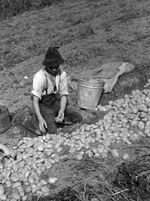
Between 1955 and 1970, the Vienna Youth Welfare Office placed thousands of children from the city into large foster families in rural areas. These placements were intended to provide care, but many children experienced severe hardship. Instead of love, they often encountered poverty, social exclusion, and physical violence. The children were largely isolated from their urban support systems and subjected to difficult living conditions. This period represents a dark chapter in the history of child welfare in Vienna, where vulnerable children were subjected to systemic neglect and abuse. The long-term impacts on these individuals are significant and highlight failures in the oversight and implementation of foster care policies during that era. The practice raises serious questions about the protection of children's rights and well-being within institutional care systems.
The placement of thousands of Viennese children into rural foster families between 1955 and 1970, characterized by reported poverty, exclusion, and violence, points to systemic failures in child welfare governance. The policy's stated intent of providing care appears to have been overshadowed by inadequate oversight and potentially insufficient vetting of foster families. This situation highlights a critical tension between centralized child welfare administration and the realities of decentralized, often under-resourced, rural care environments. The long-term societal implications of such experiences, particularly concerning the psychological and social development of affected individuals, warrant continued examination through the lens of historical trauma and public health. Future child welfare strategies must prioritize robust monitoring, comprehensive support for foster families, and stringent safeguarding protocols to prevent the recurrence of such systemic neglect and abuse, ensuring that the well-being of children remains the paramount consideration.
AI-generated to prompt reflection — not editorial opinion, not advice, not a statement of fact. How this works.