Vienna's Theaters: Happy Endings Became Mandatory 250 Years Ago
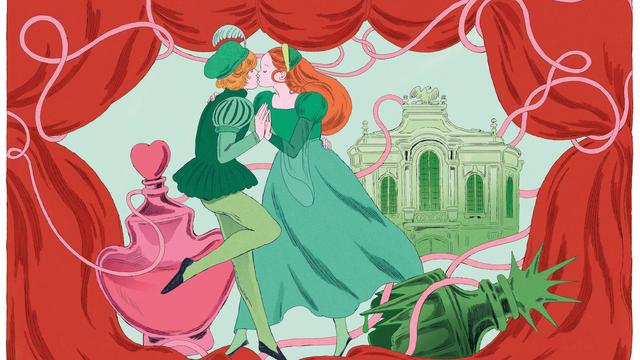
Two hundred and fifty years ago, Emperor Joseph II elevated the "Theater nächst der Burg" in Vienna to the status of a national theater. This significant decree, issued in 1776, mandated that all performances conclude with a happy ending. This rule applied even to tragic figures like Romeo and Juliet, who were compelled to have their stories resolved positively on stage. The emperor's decision aimed to shape the theatrical landscape and ensure a certain moral or emotional outcome for audiences. This historical shift fundamentally altered the dramatic conventions previously accepted in Viennese theaters. The requirement for happy endings became a defining characteristic of the national theater's programming for a considerable period.
The imperial decree mandating happy endings in Viennese national theater 250 years ago reflects a historical approach to cultural governance, prioritizing a specific audience experience over artistic freedom or the faithful representation of classic tragedies. This intervention by Emperor Joseph II illustrates a period where state authority actively shaped artistic output, likely with the intention of promoting social harmony or reinforcing particular values. In the context of today's media landscape, where algorithmic curation often prioritizes engagement and positive reinforcement, this historical example offers a parallel to consider the long-term implications of prioritizing desired outcomes over authentic expression. The tension between state-imposed narratives and artistic integrity remains a relevant theme in contemporary discussions about cultural policy and the role of art in society.
AI-generated to prompt reflection — not editorial opinion, not advice, not a statement of fact. How this works.