Vietnam Airport Expansion, Iran Port Sanctions, and Banking Trends
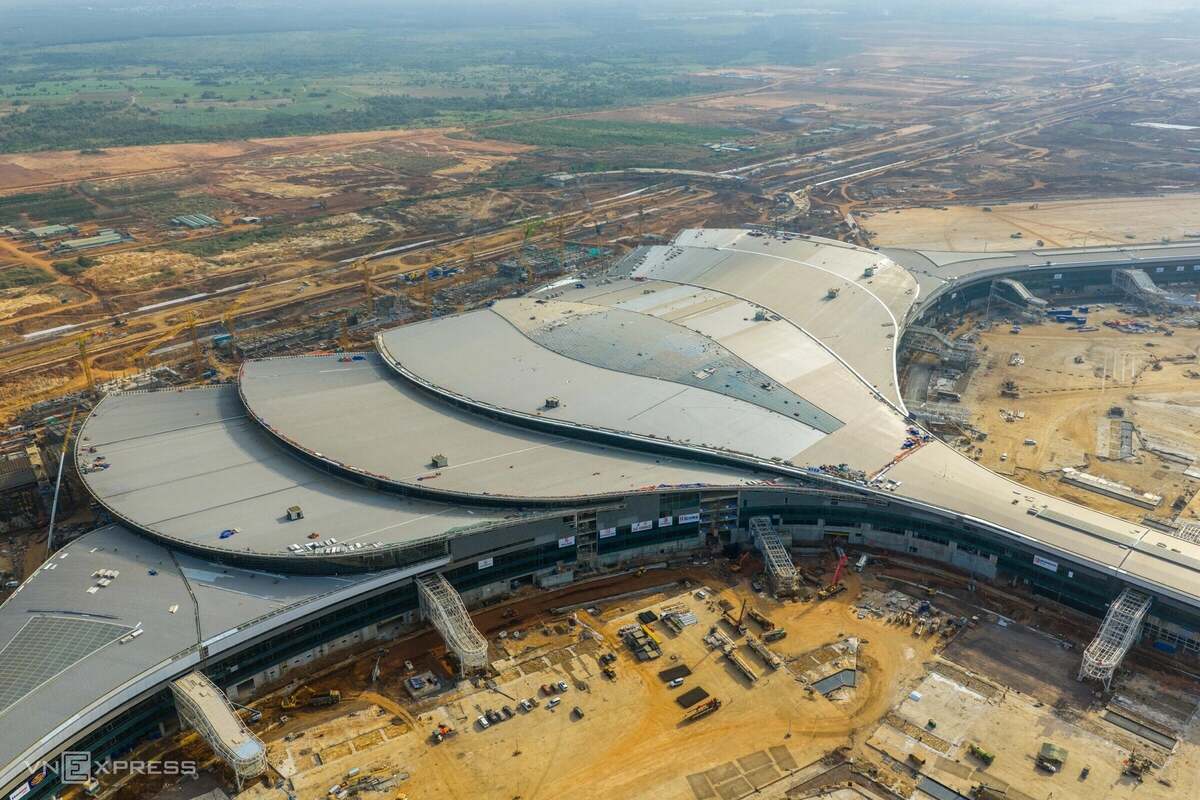
Long Thanh International Airport in Vietnam is slated for commercial operations to begin on December 1, 2024. In other news, over 320 specialized students from Tuyen Quang province have registered for university admissions. Vietnamese banks are actively issuing bonds, with interest rates ranging from 8% to 9% per year. Meanwhile, former U.S. President Donald Trump has reportedly ordered a new blockade of Iranian ports. This development adds to existing international tensions and could impact global trade routes. The expansion of Long Thanh Airport signifies a major infrastructure project for Vietnam, aiming to boost tourism and economic activity. The bond market activity among Vietnamese banks suggests a strategy to raise capital, potentially for lending or investment purposes, amidst evolving economic conditions. The reported actions regarding Iranian ports indicate a continuation of geopolitical strategies impacting the Middle East and potentially global energy markets.
The reported expansion of Long Thanh International Airport represents a significant infrastructure investment by Vietnam, likely aimed at enhancing its position as a regional logistics hub and attracting foreign investment. The concurrent trend of Vietnamese banks issuing bonds at elevated interest rates may reflect a strategic move to secure liquidity in a dynamic economic environment, potentially signaling increased demand for credit or a response to monetary policy adjustments. The reported U.S. directive concerning Iranian ports, if enacted, could exacerbate existing geopolitical risks, potentially influencing global shipping costs and supply chain stability, particularly in energy markets. These disparate events highlight the interconnectedness of national infrastructure development, domestic financial strategies, and international geopolitical maneuvers, each with potential long-term implications for regional and global economic trajectories.
AI-generated to prompt reflection — not editorial opinion, not advice, not a statement of fact. How this works.