Vietnam Could Cut Emissions 3% With $15/Ton CO2 Tax, Study Suggests
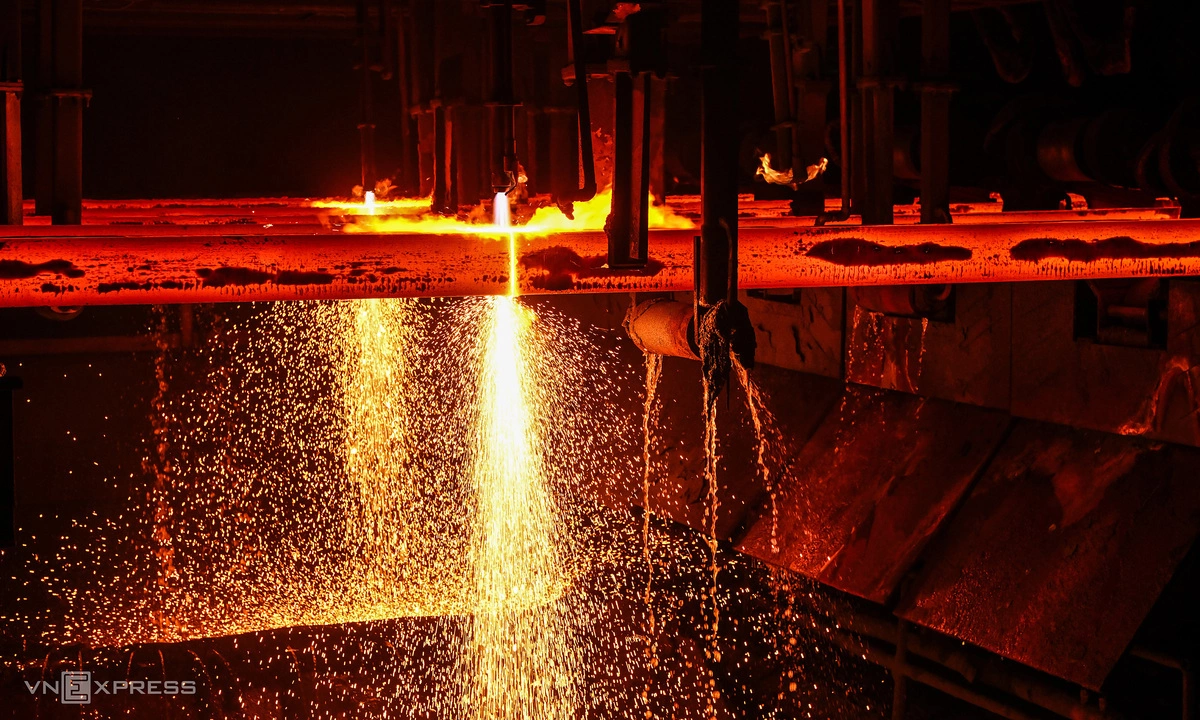
A carbon tax of $15 per ton of CO2 could enable Vietnam to reduce its emissions by 3%. However, this environmental benefit might come at the cost of economic growth if suitable support policies are not implemented concurrently. This assessment comes from a professor at the University of Copenhagen. The proposed tax aims to incentivize emission reductions across various sectors of the Vietnamese economy. Without compensatory measures, such as subsidies for green technologies or support for industries most affected by the tax, the economic impact could be significant. The professor's findings highlight the critical need for a balanced approach that integrates environmental goals with economic stability. Further research or policy development may be required to mitigate potential negative economic consequences while maximizing the emissions reduction potential of the carbon tax.
Implementing a $15 per ton CO2 tax in Vietnam presents a clear trade-off between environmental objectives and economic growth. The potential 3% emissions reduction indicates a significant lever for climate action, aligning with global decarbonization trends. However, the stated risk to economic growth underscores the importance of policy design. Governments often face the challenge of balancing the distributional effects of carbon pricing, ensuring that vulnerable industries and consumers are not disproportionately burdened. Future policy considerations should explore revenue recycling mechanisms, such as investing in renewable energy infrastructure, providing tax rebates to low-income households, or supporting the transition of carbon-intensive industries. This approach could mitigate economic headwinds while reinforcing the environmental gains, fostering a more sustainable and equitable economic transition in the long term.
AI-generated to prompt reflection — not editorial opinion, not advice, not a statement of fact. How this works.