Vietnam Eyes Nuclear Power for Energy Security and Net-Zero Goals
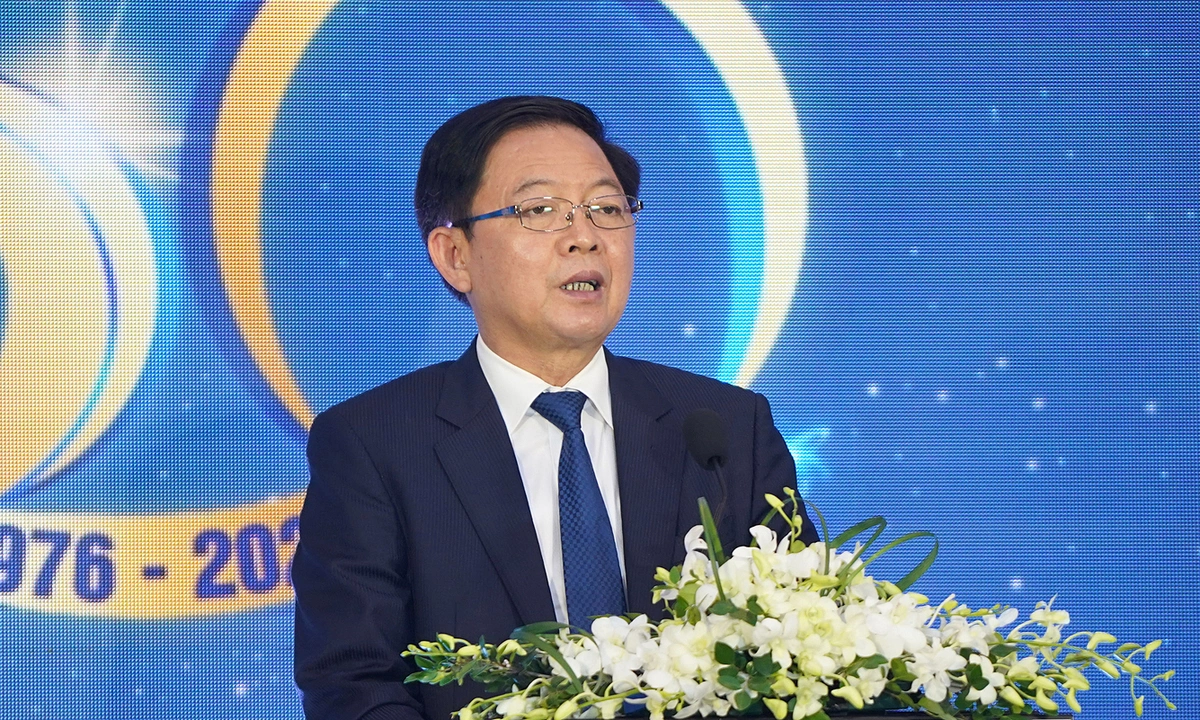
Vietnam is strategically prioritizing energy security and has committed to achieving net-zero emissions by 2050. To successfully meet these objectives, the Vietnam Atomic Energy Institute must focus its efforts. This directive comes from the Deputy Prime Minister, who emphasized the critical role of the institute in realizing the nation's energy and climate targets. The country's long-term vision includes leveraging nuclear energy as a component of its energy mix to ensure a stable and sustainable power supply. This strategic focus is essential for balancing economic development with environmental responsibilities. The institute's work will be crucial in developing the necessary infrastructure and expertise for any potential nuclear energy program. Vietnam's commitment to decarbonization by mid-century underscores the urgency of exploring all viable low-carbon energy sources. The Deputy Prime Minister's statement highlights the government's intent to integrate nuclear power into its future energy landscape.
Vietnam's exploration of nuclear energy aligns with a global trend of nations seeking reliable, low-carbon power sources to meet ambitious climate targets and enhance energy independence. The strategic imperative to balance energy security with net-zero commitments presents a complex challenge, requiring significant investment in infrastructure, safety protocols, and workforce development. The effectiveness of the Vietnam Atomic Energy Institute will be a key determinant in navigating these complexities. Future considerations should include the long-term waste management strategy, public perception, and the economic viability compared to other renewable energy alternatives in the coming decade. This approach reflects a systemic effort to diversify the energy portfolio in response to evolving geopolitical and environmental pressures.
AI-generated to prompt reflection — not editorial opinion, not advice, not a statement of fact. How this works.