Vietnam: New Tax Threshold Set for High Earners
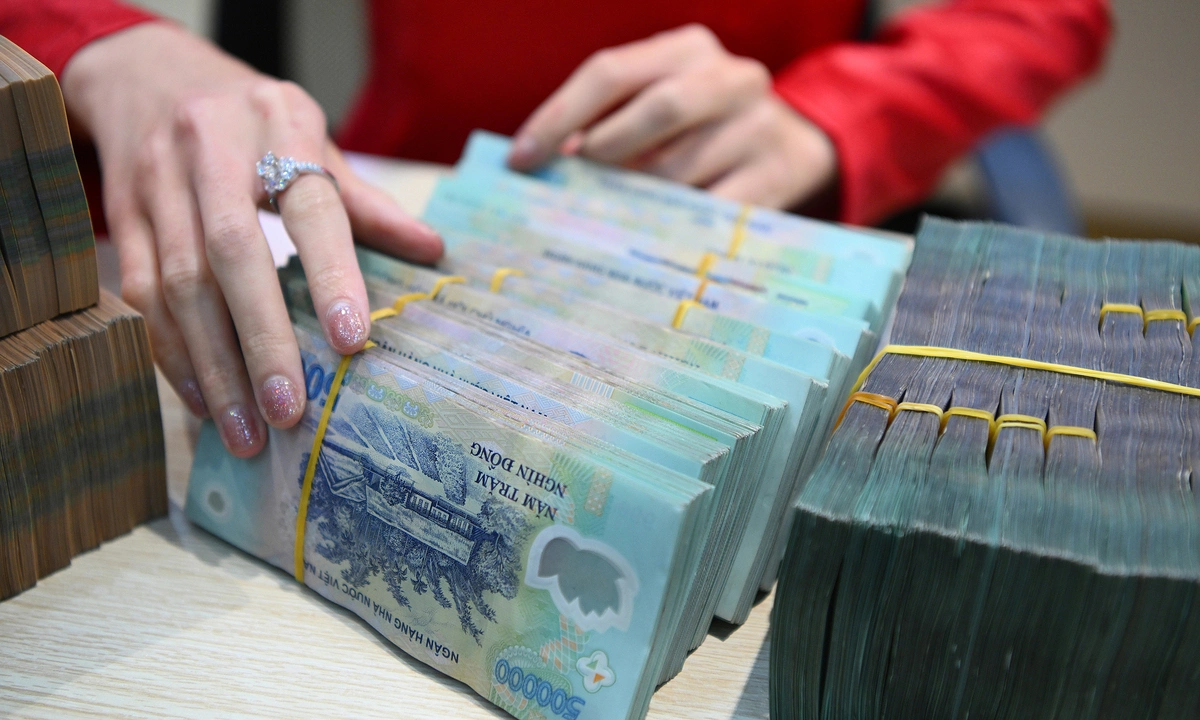
Individuals in Vietnam earning over 28.63 million Vietnamese dong per month will now be subject to income tax, according to a new government decree. This threshold is calculated after deducting expenses for healthcare and education, which are capped at a maximum of 47 million Vietnamese dong annually. The decree specifies that this tax obligation applies to individuals with one dependent. The government aims to adjust the tax system to reflect current economic conditions and ensure fairness. This change is expected to impact a segment of the population with higher disposable incomes. Further details on the implementation and specific calculation methods are anticipated.
This policy adjustment in Vietnam's income tax structure reflects a recalibration of the tax burden, potentially aiming to align with inflation and evolving living costs. By raising the taxable income threshold, the government may seek to provide relief to a broader segment of the working population while ensuring that those with significantly higher earnings contribute proportionally more. The inclusion of deductions for medical and educational expenses suggests an intent to acknowledge and support household spending in essential areas. This move could influence consumer spending patterns and labor market dynamics by altering net incomes for certain earners.
AI-generated to prompt reflection — not editorial opinion, not advice, not a statement of fact. How this works.