Vietnam President Calls for Skills-Based Training Over Degree Focus
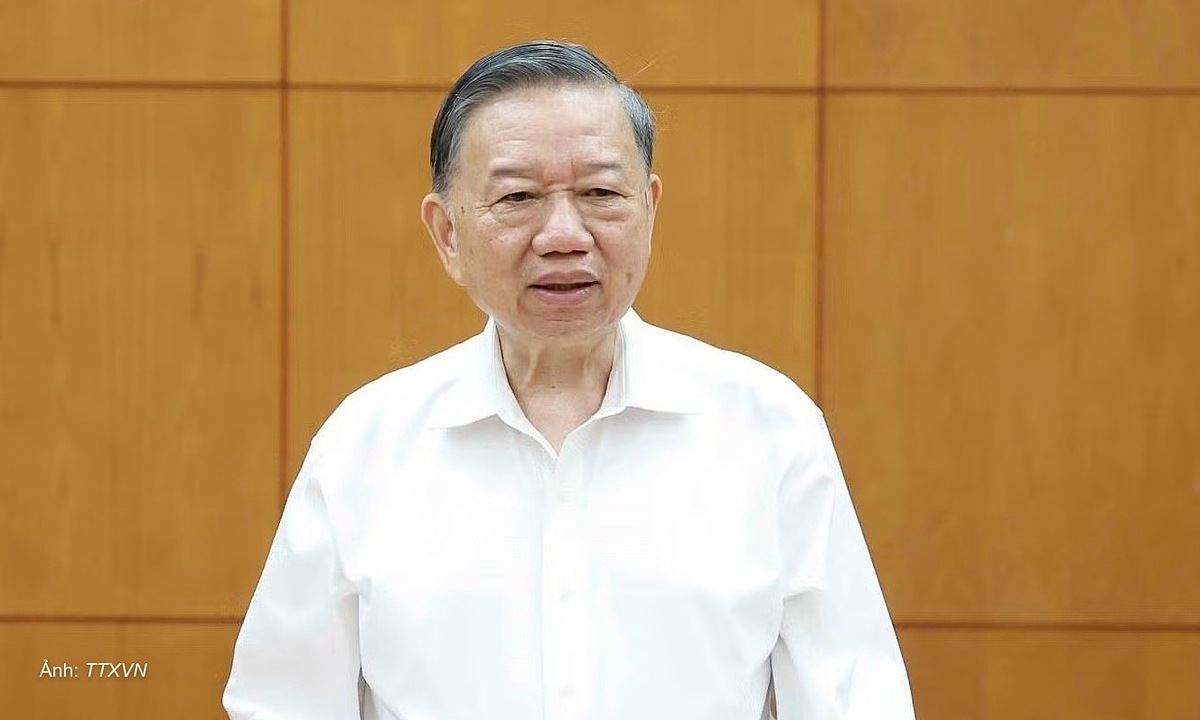
General Secretary and President Tô Lâm has directed a shift in Vietnam's education system, moving away from a focus on academic degrees towards training that emphasizes professional skills, competency standards, and the actual demands of the labor market. This directive aims to ensure that the workforce is equipped with practical abilities relevant to current industry needs. The emphasis is on aligning educational outcomes with the requirements of employers and the evolving landscape of professions. The goal is to produce graduates who are immediately employable and can contribute effectively to the economy. This strategic change seeks to enhance the quality and relevance of human resource development in Vietnam. The president's call signifies a move towards a more pragmatic and market-oriented approach to education and training. It is intended to foster a more competitive and skilled national workforce.
The directive from President Tô Lâm signals a strategic pivot in Vietnam's human capital development, prioritizing practical skills and market relevance over traditional credentialism. This approach aligns with global trends emphasizing lifelong learning and adaptability in the face of technological disruption. By focusing on job-specific competencies and industry standards, Vietnam aims to bridge the gap between academic output and labor market needs, potentially boosting productivity and economic competitiveness. The challenge lies in implementing robust assessment mechanisms and ensuring equitable access to quality vocational training across the nation. This policy shift could foster a more agile workforce, better prepared for the evolving demands of the AI era and beyond.
AI-generated to prompt reflection — not editorial opinion, not advice, not a statement of fact. How this works.