Vietnam's 108 Military Hospital Adopts Advanced US Skin Rejuvenation Technology
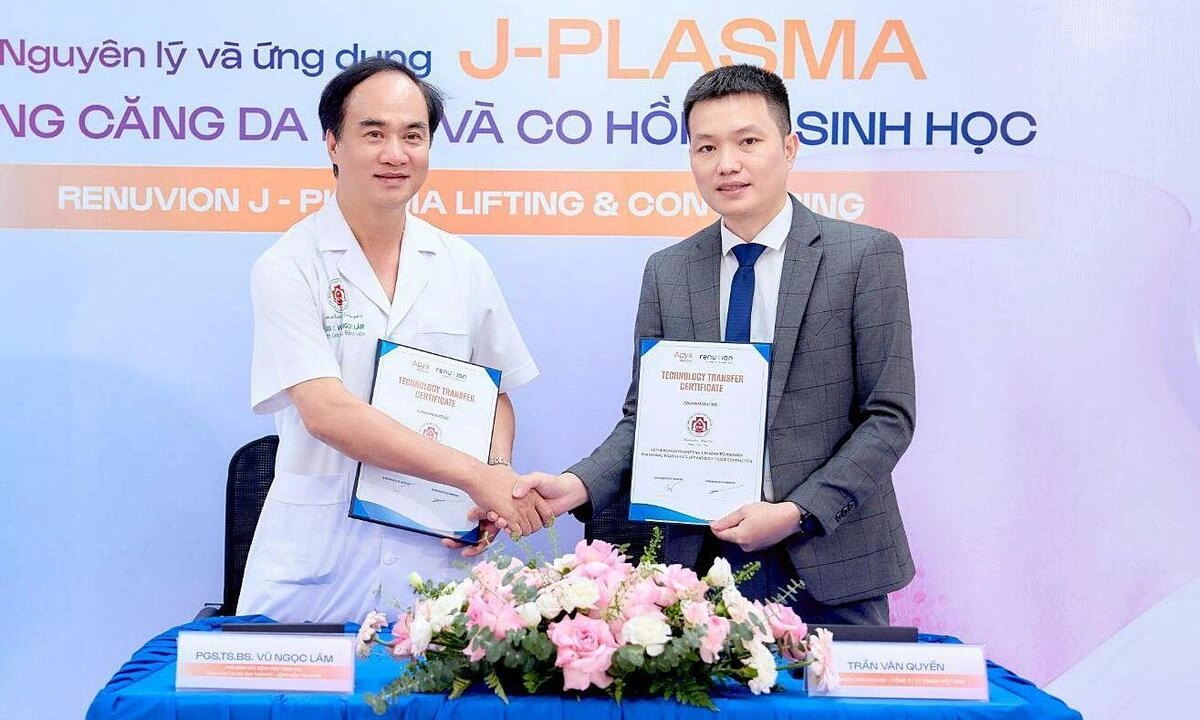
The Center for Aesthetics at the 108 Military Central Hospital has received a technology transfer from the United States. The hospital has acquired the Apyx One Console device, which utilizes Renuvion J-Plasma technology. This advanced system is designed for minimally invasive facial skin tightening and tissue contraction. The Renuvion J-Plasma technology works by using radiofrequency energy to convert helium gas into plasma. This plasma then creates a controlled thermal effect on the underlying tissues, stimulating collagen production and causing the skin to contract and tighten. The procedure aims to provide a more youthful appearance with reduced recovery time compared to traditional surgical facelifts. The adoption of this technology signifies an effort by the hospital to integrate cutting-edge aesthetic treatments into its services. Patients seeking facial rejuvenation may benefit from this less invasive approach.
The integration of advanced American aesthetic technology into Vietnam's 108 Military Central Hospital reflects a broader trend of medical institutions seeking to enhance their service offerings with cutting-edge solutions. This move can be viewed through the lens of increasing global competition in the healthcare sector, where access to innovative treatments can attract both domestic and international clientele. From a systemic perspective, such adoptions highlight the evolving demand for less invasive cosmetic procedures, driven by patient preferences for quicker recovery and reduced risk. The hospital's strategic decision to incorporate Renuvion J-Plasma technology suggests an alignment with market dynamics favoring technological advancement in aesthetic medicine. Over the next decade, the increasing sophistication of AI in diagnostics and treatment planning may further refine the application and outcomes of such technologies, potentially leading to more personalized and effective rejuvenation therapies.
AI-generated to prompt reflection — not editorial opinion, not advice, not a statement of fact. How this works.