Vietnam's FDI Goals: Beyond Capital to Technology and Supply Chains
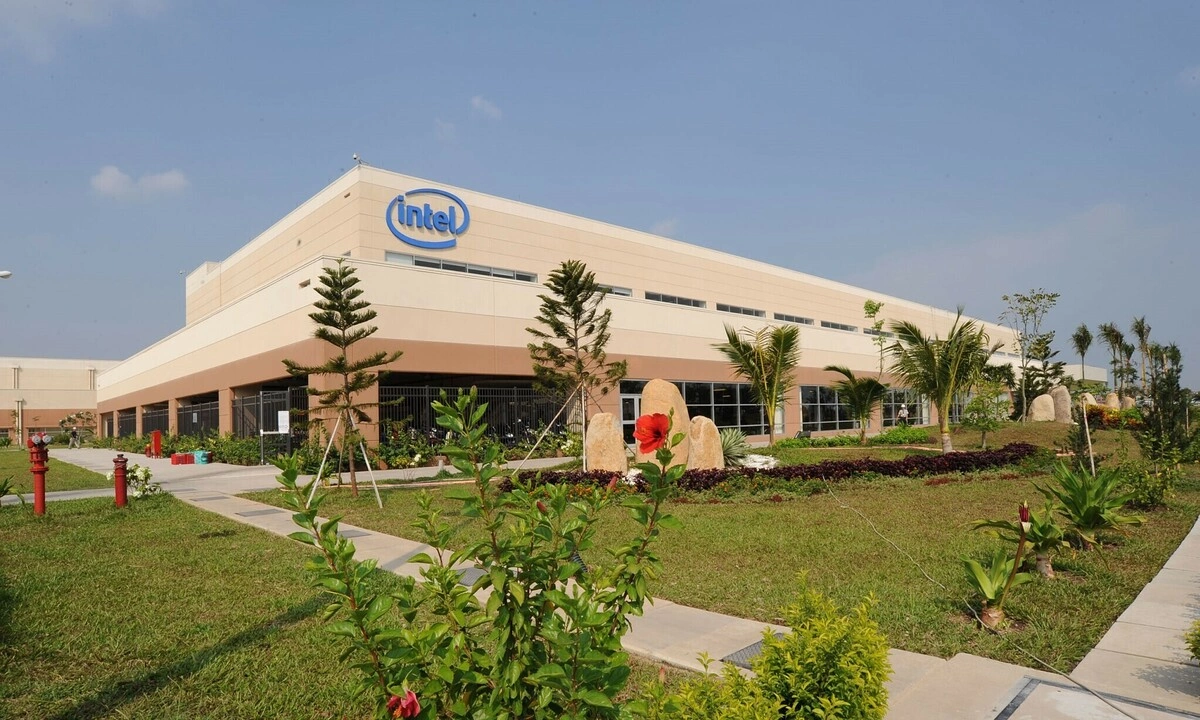
Vietnam's objectives regarding foreign direct investment (FDI) extend beyond merely attracting capital; the nation aims to secure advanced technology and integrate into global supply chains. The success of Intel's Fab-9 facility, which was developed by Intel into an outstanding supplier, exemplifies this strategic direction. This case highlights Vietnam's ambition to foster a more sophisticated industrial ecosystem, moving up the value chain. The focus is on building domestic capabilities and leveraging FDI to achieve technological transfer and enhance local content. This approach seeks to create a more resilient and competitive Vietnamese economy. By nurturing partnerships with global corporations like Intel, Vietnam aims to cultivate a skilled workforce and develop its own high-tech manufacturing sector. The ultimate goal is to position Vietnam as a key player in critical global industries.
The Vietnamese government's strategic focus on attracting FDI for technology and supply chain integration, rather than solely capital, reflects a sophisticated industrial policy. This approach aims to foster long-term economic development by building domestic capabilities and moving up the global value chain. By leveraging partnerships with multinational corporations, Vietnam seeks to achieve technological transfer and enhance its manufacturing prowess. This strategy aligns with global trends where nations are increasingly prioritizing value creation and innovation within their borders. The success of such policies will depend on continued investment in education, infrastructure, and a stable regulatory environment to support advanced manufacturing and R&D activities.
AI-generated to prompt reflection — not editorial opinion, not advice, not a statement of fact. How this works.