Vietnam's Narrow Roads Struggle to Accommodate Growing Vehicle Sizes
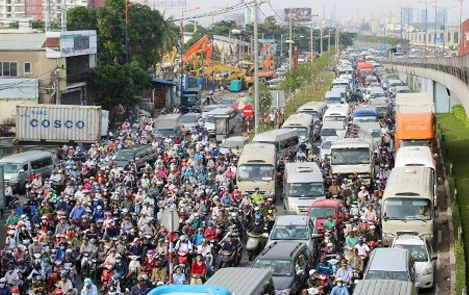
Many roads in Vietnam, particularly in urban areas, are characterized by their modest width. However, there is a noticeable trend of vehicles, specifically cars, becoming larger. This growing disparity between road dimensions and vehicle size presents a significant challenge for traffic management and infrastructure planning. As car ownership increases and drivers opt for larger models, the existing road networks are becoming increasingly strained. This situation can lead to traffic congestion, increased wear and tear on road surfaces, and potential safety hazards. The phenomenon highlights a need for strategic urban planning that anticipates future vehicle trends and adapts infrastructure accordingly. Without proactive measures, the issue is likely to exacerbate, impacting the efficiency and safety of Vietnam's transportation system.
The increasing size of vehicles on Vietnam's narrow roadways points to a potential mismatch between consumer preferences and existing infrastructure. This trend, driven by evolving market demands and potentially rising incomes, creates systemic pressure on urban planning and road maintenance. Future infrastructure development will need to consider not only capacity but also the physical dimensions of the vehicles utilizing these networks. Addressing this requires a forward-looking approach to urban design and traffic management, balancing immediate needs with long-term sustainability and safety considerations in the face of technological advancements in automotive design.
AI-generated to prompt reflection — not editorial opinion, not advice, not a statement of fact. How this works.